Your weight is the one number a GLP-1 will happily give you. It will not tell you what happened to your insulin, your inflammation, your thyroid, your iron or your muscle. Those are measurable, and they are the numbers that decide whether this actually made you healthier.
The short answer
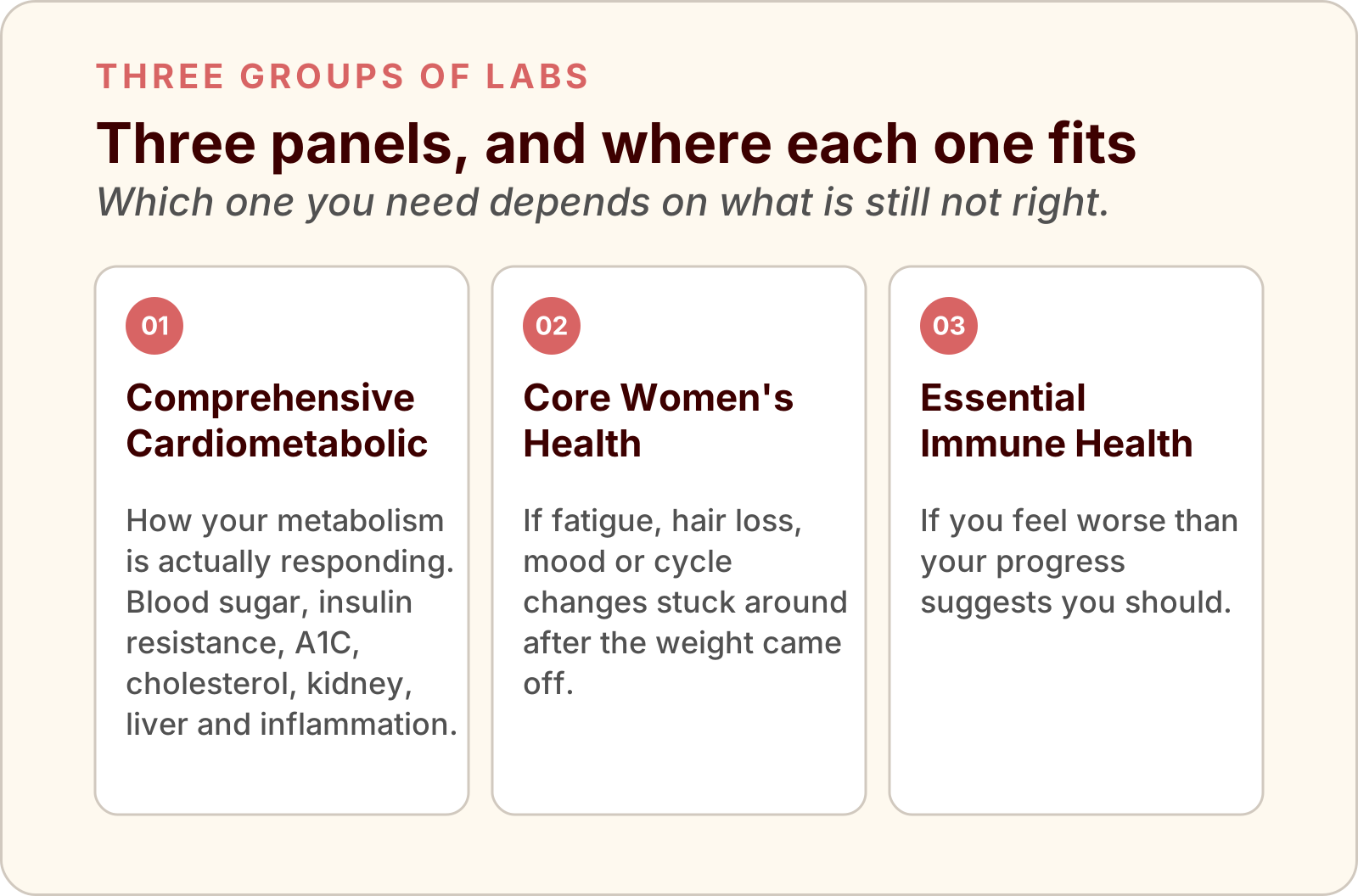
If you are starting or already on a GLP-1, the labs worth running fall into three groups. A comprehensive cardiometabolic panel to see how your metabolism is responding (blood sugar, insulin resistance, A1C, cholesterol, kidney, liver, inflammation). A women’s health panel if fatigue, hair loss, mood or cycle changes stuck around after the weight came off. An immune and inflammation panel if you feel worse than your progress suggests you should.
Best timing: before you start, again at 3 to 6 months, then every 6 to 12 months.
Weight loss and health improvement overlap. They are not the same thing, and only one of them shows up on a bathroom scale.

You did the hard part.
You started the medication. You got past the first few weeks of feeling strange about food. The scale moved, your clothes fit differently, and people started noticing.
And somewhere around month four you realized you still felt tired. Or your hair was coming out in the shower. Or your energy dipped at 3pm the same way it always did, just in a smaller body.

Normal does not equal optimal, and a GLP-1 is not a health report. It is an appetite intervention with real metabolic effects, and those effects are worth measuring instead of assuming.

What your program labs already check (and what they miss)
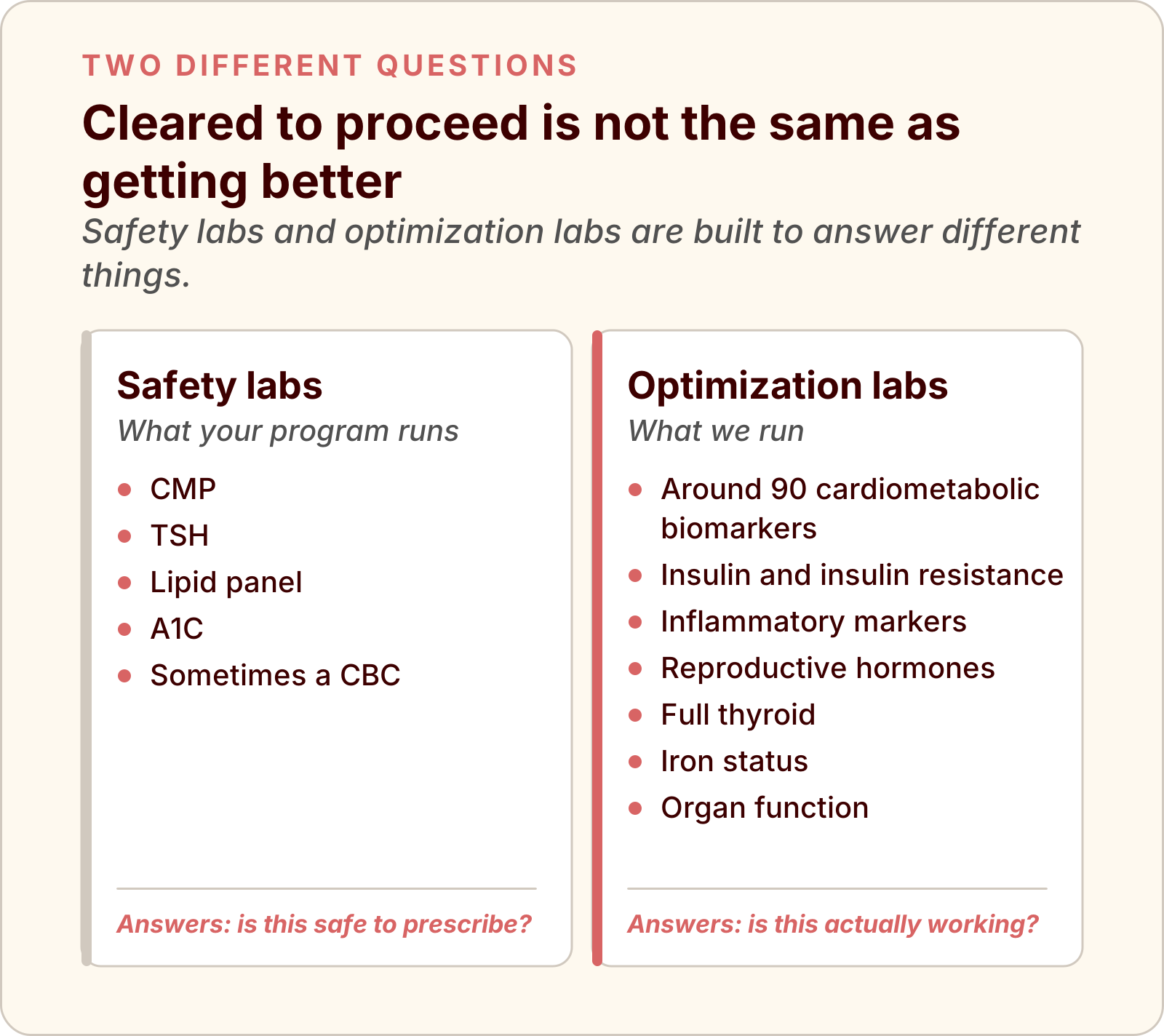
If you got a prescription through a legitimate telehealth program, you were almost certainly given a lab order. Usually a comprehensive metabolic panel, TSH, a lipid panel and A1C. Sometimes a CBC.
Those labs exist to answer one question: is it safe to prescribe this to you?
That is the right question. It is just a narrow one. Safety labs confirm your kidneys and liver can handle the medication and that your thyroid and blood sugar are not wildly out of range. They are not built to tell you whether your insulin sensitivity improved, whether your inflammation came down, whether your iron is quietly falling as you eat less, or whether the fatigue you still have is hormonal.
That is a different set of markers. It is the difference between cleared to proceed and actually getting better.
Six things a GLP-1 changes that the scale will never show you
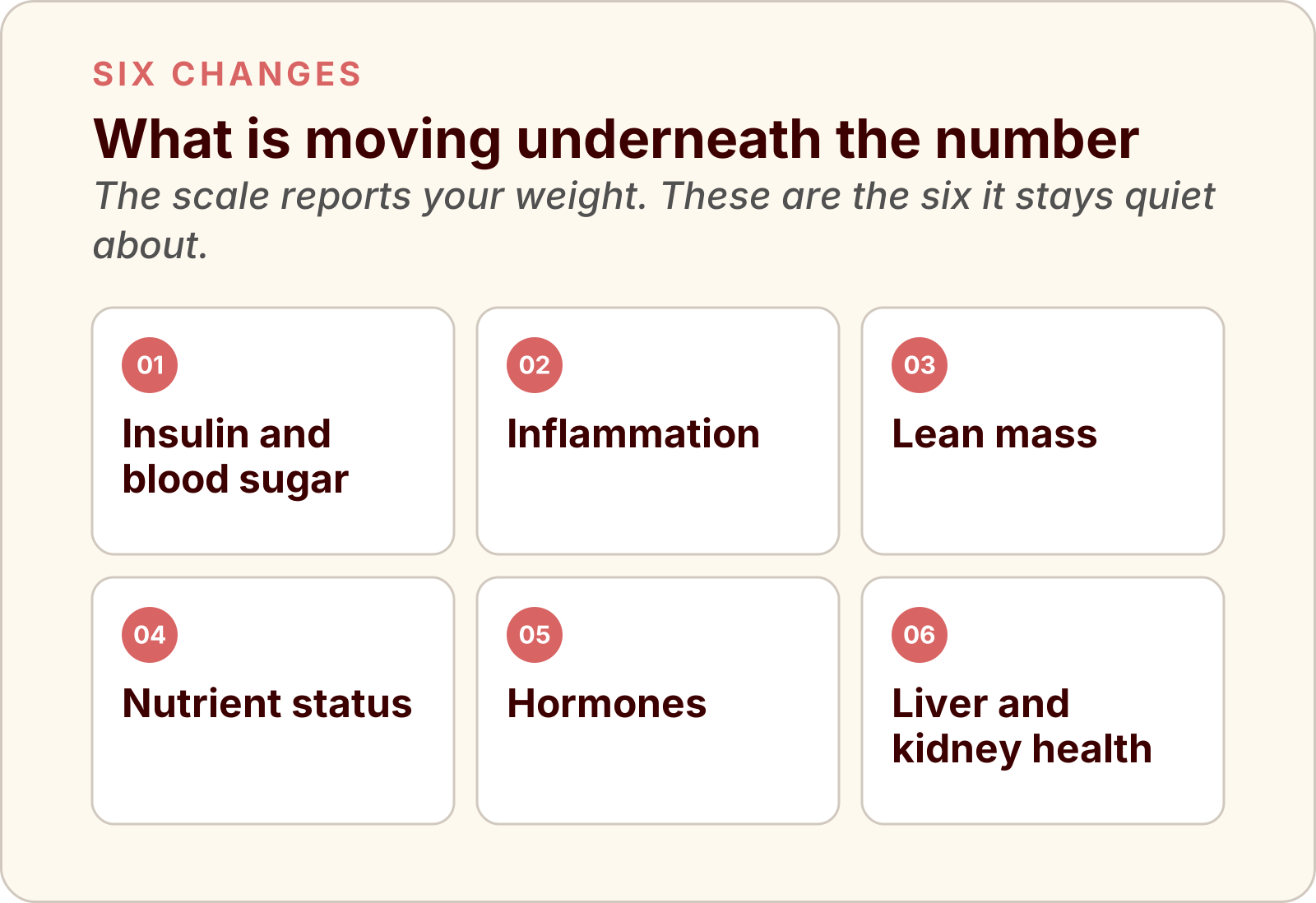
01. Insulin and blood sugar. GLP-1 medications work on the same pathways that govern insulin release and blood sugar control. For many women the metabolic improvement is the point, and it can show up in the bloodwork before it shows up in the mirror. Fasting insulin and insulin resistance are not on a standard panel.
02. Inflammation. Inflammatory markers such as hs-CRP are associated with cardiometabolic risk, and they often move independently of how much weight you have lost. If yours stay elevated while the scale drops, that is information worth having.
03. Lean mass. Any meaningful calorie deficit costs you some muscle, and a GLP-1 creates a large one. Muscle is where you dispose of glucose and where your metabolic rate lives. Protein intake and resistance training are what protect it. Nothing about the medication does that for you.

04. Nutrient status. You are eating substantially less food, often for a year or more. Less food means less iron, less B12, less protein, less of everything. Iron status and blood health are measurable, and low iron looks exactly like the fatigue most women blame on the medication.
05. Hormones. Fat tissue produces estrogen. Losing a significant amount of it shifts your hormonal picture, and so does the metabolic stress of rapid loss. Thyroid function, reproductive hormones and cycle regularity can all change on the way down.
06. Liver and kidney health. Fatty liver often improves with weight loss, which is genuinely good news, and it is only good news you can confirm by testing. Liver enzymes and kidney function are also the markers that matter most if you plan to stay on this medication long term.
Does this sound like you right now?
Tick what applies, then read the tiers below.
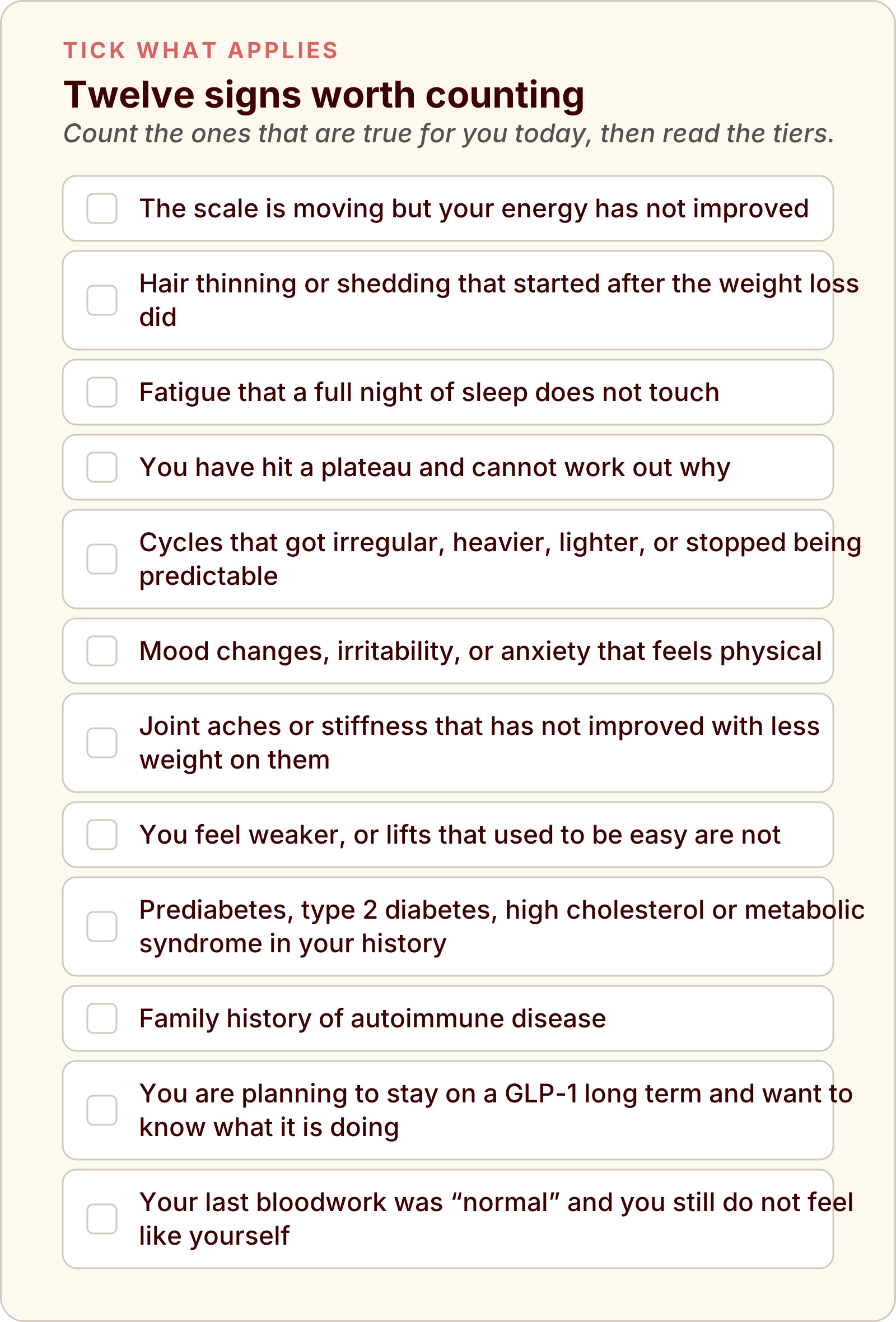
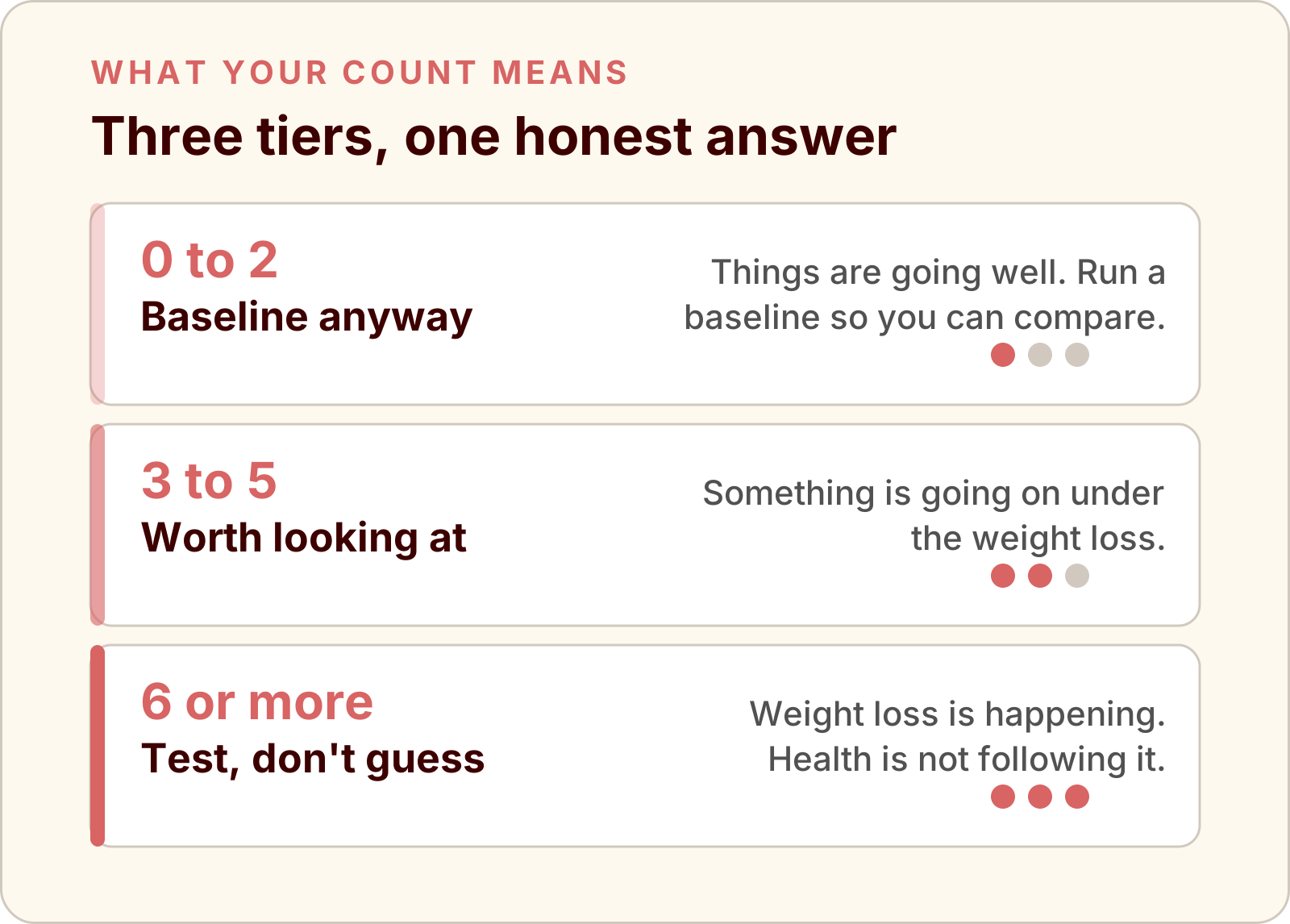
0 to 2 checked: Things are going reasonably well. A baseline panel is still worth running so you have something to compare against in six months, especially if you have never had comprehensive bloodwork.
3 to 5 checked: This is the range where guessing stops being useful. Something is going on underneath the weight loss, and a symptom list cannot tell you which system it is coming from.
6 or more checked: Weight loss is happening and health is not following it. That pattern has causes, and they are measurable. Test, don’t guess.
The three panels we recommend most
These are Fullscript Journey panels, ordered through our dispensary and drawn at a local lab near you. They currently run from roughly $145 to just over $300 depending on the panel, and the live price is always on the panel page.

Comprehensive Cardiometabolic Panel
The one we recommend for almost every GLP-1 client.
Nearly 90 biomarkers, built to show how your metabolism is actually responding rather than how much you weigh.
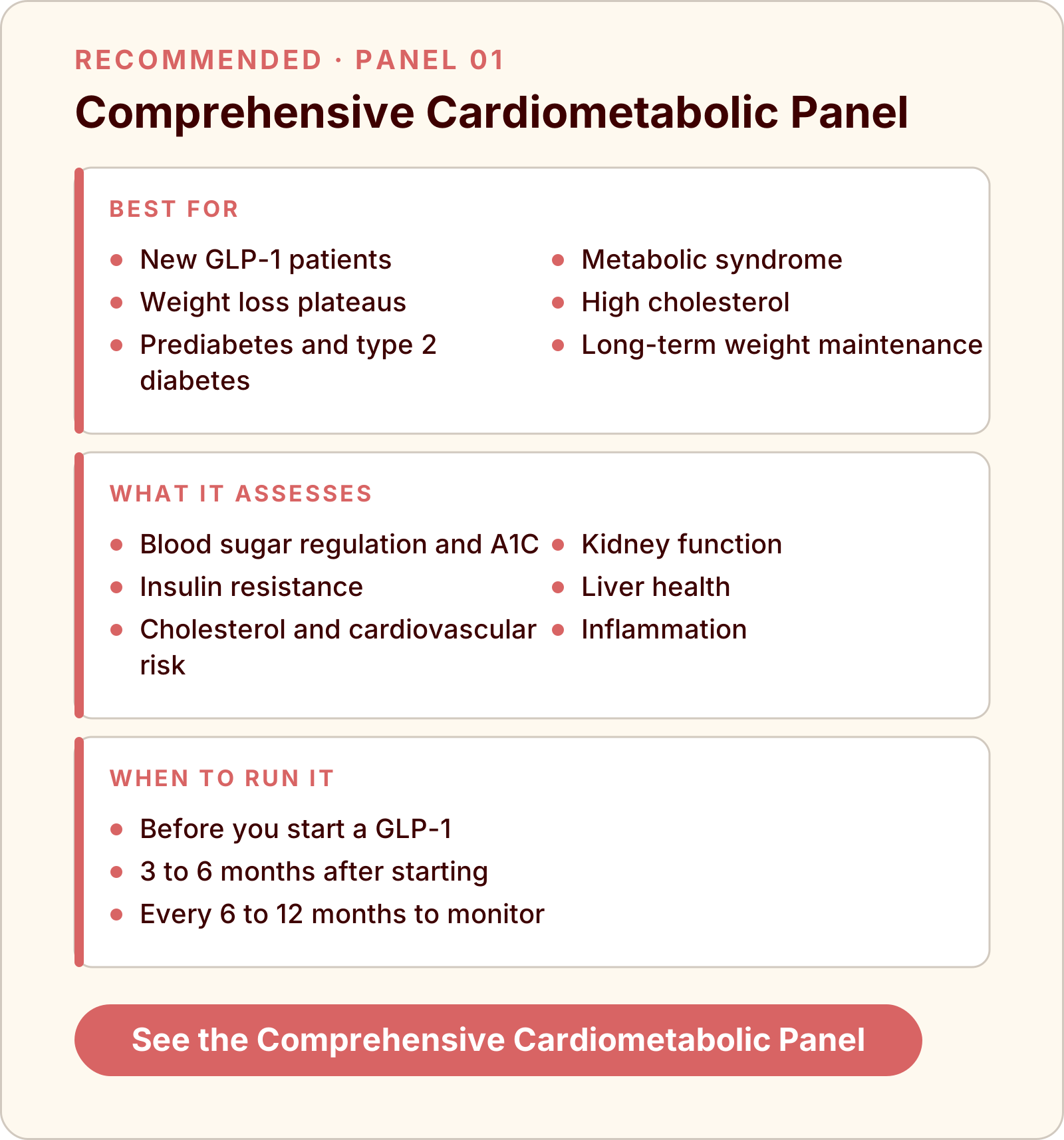
GLP-1 medications can reduce appetite. They cannot show you how your metabolism is responding. This panel can.
See the Comprehensive Cardiometabolic Panel
Core Women’s Health Panel
Losing weight does not automatically balance your hormones.
Plenty of women get to their goal weight and still deal with fatigue, thinning hair, irregular cycles and low mood. This panel looks at the hormonal picture underneath.

If you lost the weight and still do not feel like yourself, the answer is usually hormonal, nutritional, or both. Both are measurable.
See the Core Women’s Health Panel
Essential Immune Health Panel
Weight loss is one piece of the puzzle.
If you are smaller and still inflamed, still aching, still exhausted, the driver may not be metabolic at all.

Inflammation and immune activity do not resolve just because you weigh less. Sometimes they are the reason you still feel unwell.
See the Essential Immune Health Panel
When to test
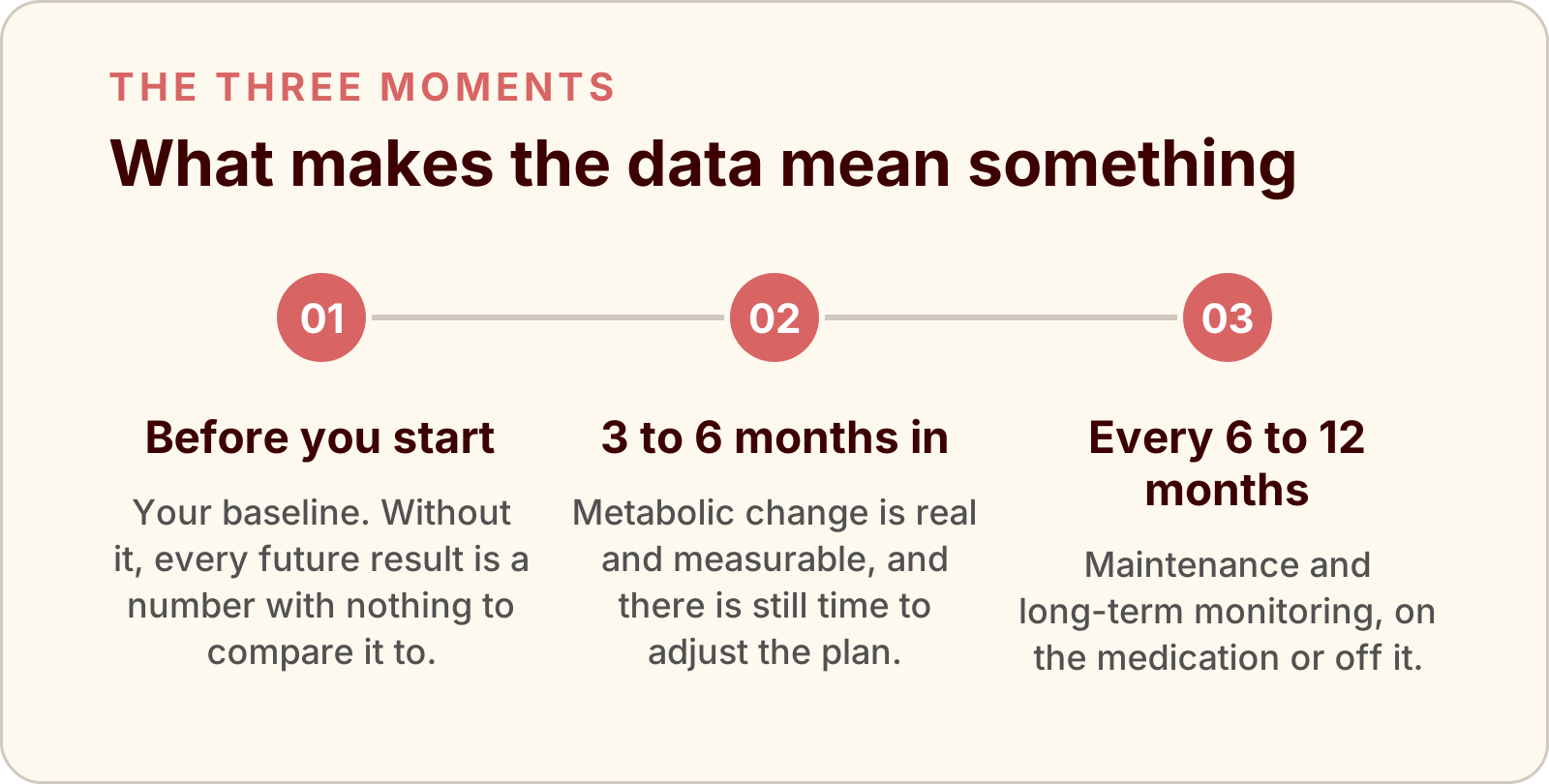
Before you start. Your baseline. Without it, every future result is a number with nothing to compare it to. This is the single most valuable moment to test, and the one most people skip.
3 to 6 months in. The window where metabolic change is real and measurable. Blood sugar, insulin, lipids and inflammation have had time to respond, and there is still time to adjust the plan around what you find.
Every 6 to 12 months after. Maintenance and long-term monitoring, whether you stay on the medication or come off it. This is how you confirm the improvements held.
Which panel is right for you
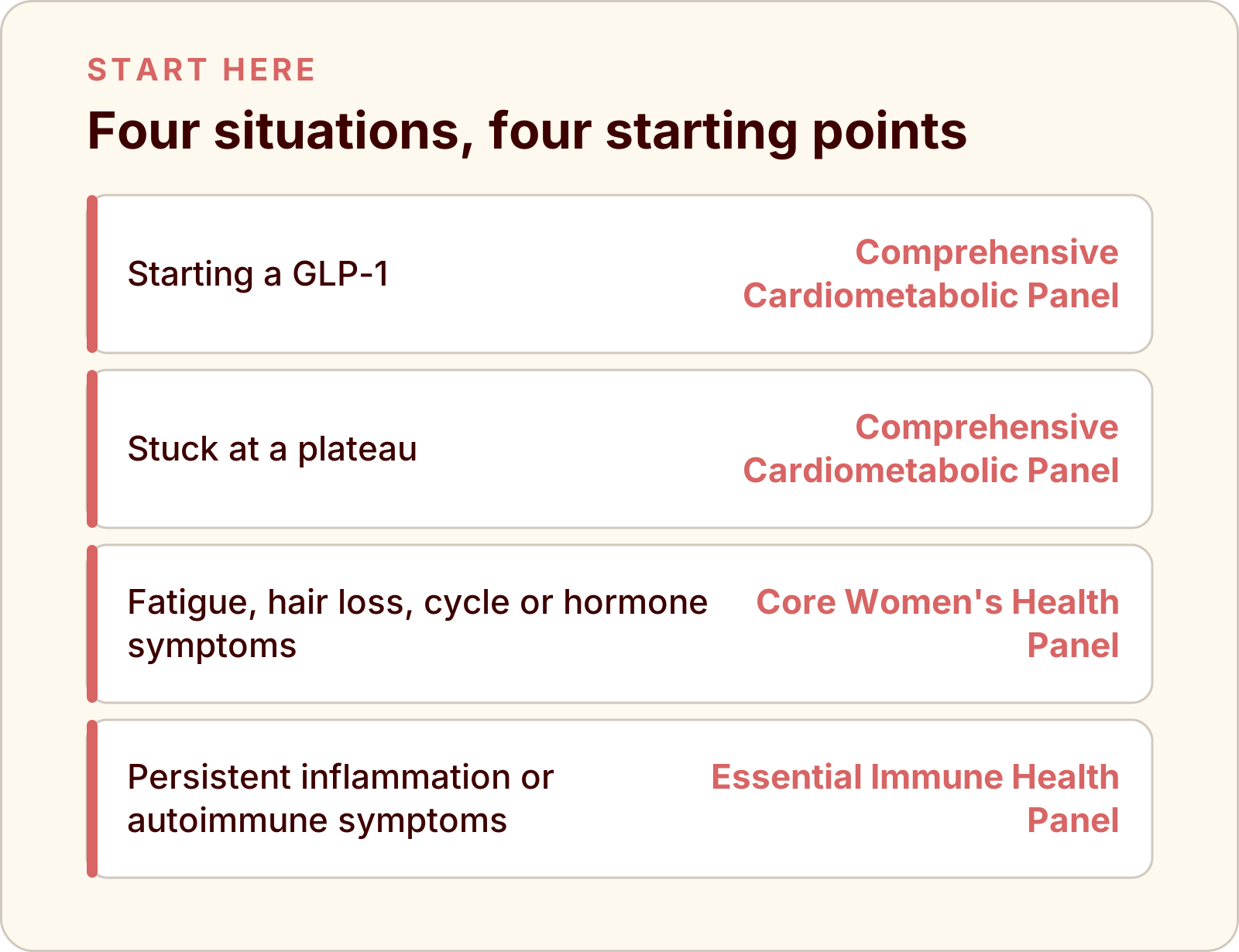
Go straight to the Comprehensive Cardiometabolic Panel, the Core Women’s Health Panel or the Essential Immune Health Panel.
Coach Shae’s recommendation

If I could recommend one panel for every GLP-1 client, it would be the Comprehensive Cardiometabolic Panel. It gives the broadest view of metabolic health and it answers the question the scale cannot: is anything actually improving besides your weight?
From there it is simple. Hormone concerns, run the Core Women’s Health Panel. Inflammation or autoimmune concerns, run the Essential Immune Health Panel.
Shae Davis, FDN-P, CPT, CNC
Lead Health Strategist, SeshDx
What labs alone will not do
Testing tells you what is happening. It does not change it on its own.
The women who get the most out of a GLP-1 are the ones who treat the medication as one layer of four:
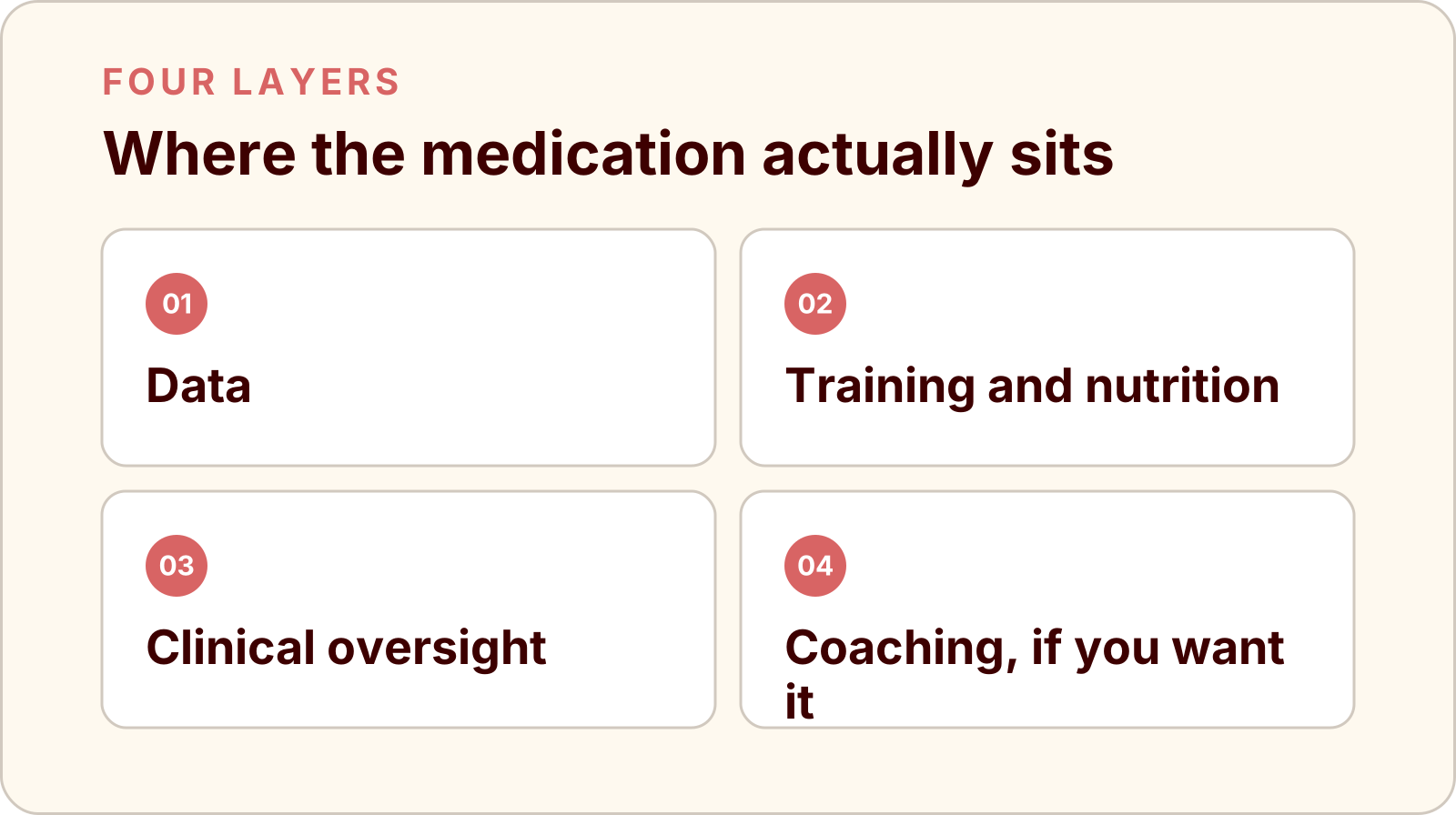
Data. A baseline and a follow-up, so decisions are made on markers instead of guesses.
Training and nutrition. Muscle is the asset you are trying not to lose on the way down. Every SeshDx prescription client gets the SeshDx Blueprint in the Sesh Fitness App at no cost: a strength plan plus a nutrition guide built for people eating less.

Clinical oversight. A licensed clinician confirms whether your chosen prescription is a good fit, reviews what your labs show, and adjusts from there. Depending on your prescription and your state, that visit may be synchronous or asynchronous.
Coaching, if you want it. Optional, not automatic. Some women want a person to read the results with them and rebuild the plan around what came back. That is what Shae does.

Take the free 3-minute evaluation
Frequently asked questions
Do I need labs to get a GLP-1 prescription?
Not always. Programs strongly recommend baseline labs for everyone and require them for certain conditions, including type 2 diabetes, kidney disease, liver disease including fatty liver, elevated blood pressure, and some BMI categories. Requirements vary by program and by your clinical picture. What is universal is that safety labs are a lower bar than optimization labs.
When should I get labs if I am already on a GLP-1?
Now, and then every 6 to 12 months. A baseline taken partway through is less useful than one taken before you started, but it is far better than nothing, and it still makes your next result meaningful.
Will my insurance cover these?
These panels are ordered through our Fullscript dispensary and paid directly, which is usually simpler and faster than the insurance route. If you would rather go through insurance, your prescribing clinician can often order comparable safety labs with the appropriate diagnostic codes.
Can a GLP-1 cause nutrient deficiencies?
Eating substantially less food for an extended period reduces your intake of everything, including protein, iron and B vitamins. Whether that becomes a deficiency depends on what you eat and where you started. It is measurable, which means it does not have to be a guess.
Why is my hair falling out?
Hair shedding after significant or rapid weight loss is common and usually temporary, and it is also associated with low iron, thyroid changes and inadequate protein. All three of those are on the Core Women’s Health Panel, which is why we suggest it before assuming it is just the weight loss.
Do I need to keep testing if I stop the medication?
Yes, arguably more so. Coming off a GLP-1 is when maintenance either holds or does not, and your metabolic markers will tell you which is happening well before the scale does.
Test, don’t guess.
The scale gave you one number. Your labs will give you the rest of the story: what your metabolism is doing, what your hormones are doing, and whether the changes you are making are the ones that last.
You, but optimal.
Start with the Cardiometabolic Panel
Take the free 3-minute evaluation
Written by Shae Davis, FDN-P, CPT, CNC, Lead Health Strategist at SeshDx.
SeshDx does not act or warrant itself as a licensed medical provider. All content is for educational and informational purposes only and is not intended to diagnose, treat, cure, or prevent any disease. Lab panels are not a substitute for care from your prescribing clinician. Talk to a licensed clinician about your individual situation.