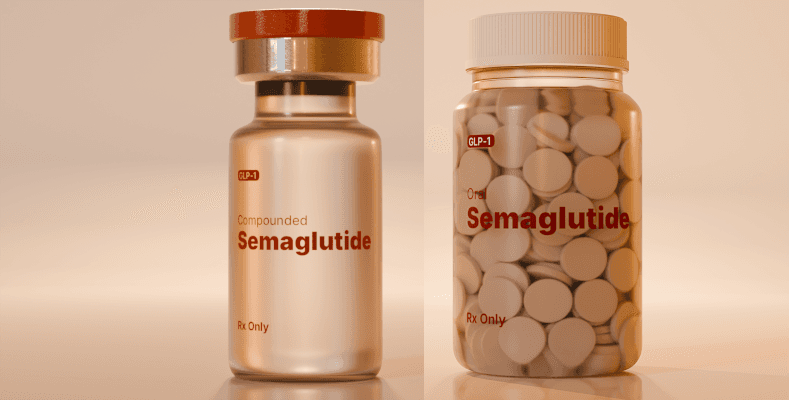
Before Starting a GLP-1/GIP You Must Understand How they Work
GLP-1 receptor agonists like semaglutide (Wegovy) and tirzepatide (Zepbound) are among the most effective weight management medications ever developed, that's absolutely true.
They work best when you start with the right metabolic and hormonal baseline, understand what they actually do and don't do, have a plan for nutrition and resistance training during treatment, and think about the long-term picture from the beginning. A prescription alone isn't a protocol and that's why at Sesh Diagnostics, your prescription always comes with training + nutrition foundations.
This post covers what the telehealth mills and quick-start platforms often skip because it's the difference between getting average results and getting optimal ones.
What GLP-1s Actually Do (And Don't Do)
Understanding the mechanism helps you use these medications more effectively and set the right expectations.
What GLP-1s do:
Reduce appetite and increase satiety. By mimicking the GLP-1 gut hormone that signals fullness, these medications quiet food noise and make it much easier to eat less without fighting hunger constantly
Slow gastric emptying. Food moves more slowly through the stomach, extending the feeling of fullness and blunting blood sugar spikes after meals
Improve insulin sensitivity. Particularly relevant for women with insulin resistance, PCOS, or prediabetes; GLP-1s significantly reduce insulin demand
Lower fasting and postprandial blood glucose
Reduce visceral fat. The metabolically harmful abdominal fat associated with insulin resistance and cardiovascular risk
Support cardiovascular outcomes. GLP-1s have demonstrated cardiovascular benefits in clinical trials beyond what weight loss alone explains
What GLP-1s don't do:
Build or preserve muscle. GLP-1s reduce appetite, which means you eat less. Less food means less protein unless you're deliberate. And weight loss from any cause, including GLP-1-assisted loss, can include lean mass. GLP-1s do not protect muscle. That's your job.
Fix hormonal imbalances directly. GLP-1s improve insulin sensitivity, which has downstream hormonal benefits. But they don't address progesterone, thyroid, cortisol, or the other hormonal pieces. These need separate assessment and attention.
Produce permanent results if you stop. The underlying metabolic factors that contributed to weight gain don't disappear when you lose weight. When you stop a GLP-1, those factors reassert, and most people regain weight over time. This isn't a flaw in the medication, it's the nature of treating a chronic condition.
Work without any dietary effort. While the appetite suppression is significant, nutrition choices during treatment matter for body composition, muscle preservation, gut health, and long-term metabolic outcomes.
Nutrition: What to Eat During GLP-1 Treatment
The appetite suppression from GLP-1 therapy is real and significant. Most people eat substantially less, but the quality and composition of what you eat during treatment matters more than the quantity alone.
The most important nutritional priority: protein.
The biggest risk with GLP-1-assisted weight loss is losing lean muscle mass alongside fat. The only dietary intervention that meaningfully protects against this is adequate protein intake.
Target: 0.8 to 1.0 grams of protein per pound of body weight, daily.
This sounds like a lot when you're eating less. It requires prioritizing protein at every meal, choosing high-protein foods when appetite is reduced, and potentially using protein shakes or supplements to meet targets on low-appetite days.
Protein sources that are well tolerated on GLP-1 therapy (given that fatty, rich, or large-volume meals can cause nausea): eggs, greek yogurt, cottage cheese, lean meats, fish, legumes, protein shakes or smoothies.
What tends to cause problems:
Very high-fat meals: fat slows gastric emptying; GLP-1s already slow emptying. Very high-fat foods can cause prolonged nausea, reflux, or vomiting
Very large volume meals: stomach capacity is effectively smaller on these medications; smaller, more frequent meals often feel better than large ones
Highly processed, low-nutrient foods: the medication makes it easier to eat less, but if what you eat is low in protein and nutrients, you'll lose muscle and become nutritionally depleted
Alcoho: alcohol is more impactful on blood sugar and nausea tolerance on GLP-1 therapy; many patients find they want significantly less alcohol, which is often beneficial, but be aware that tolerance changes
Exercise: Why Resistance Training Is Non-Negotiable
If there's one non-negotiable during GLP-1 therapy, it's resistance training. Not cardio or walking or yoga…resistance training.
Here's why: weight loss on GLP-1s can include significant muscle loss alongside fat. Studies show that 25–40% of weight lost during GLP-1 therapy can be lean mass rather than fat when resistance training isn't part of the program. That's metabolically catastrophic, especially for women. It lowers resting metabolic rate, weakens the body, and creates a worse body composition at a lower weight.
Resistance training (compound exercises with progressive overload, 2 to 3 sessions per week minimum) preserves muscle while the medication assists with fat loss. The combination produces the body composition change that most women are actually looking for: more muscle, less fat, same or lower scale weight.
That's why at Sesh Diagnostics we always pair your treatment plan with complimentary training + nutrition through our 5-star fitness app.
Additional exercise considerations:
Walking remains highly valuable — particularly after meals for blood sugar management, and as general movement throughout the day
High-intensity cardio is fine if well tolerated, but don't substitute it for resistance training
If you're new to resistance training, now is the time to start — the reduced appetite from GLP-1 therapy actually makes it easier to be in a body composition-supporting phase while building the exercise habit
Side Effect Management: What Actually Helps
The most common reason people stop GLP-1 therapy is nausea. Most nausea on these medications is:
Dose-dependent — it's most significant during dose increases; it typically improves as the body adapts
Manageable — there are practical strategies that substantially reduce it
Practical strategies for nausea management:
Slow the titration — there's no benefit to racing to the maintenance dose. If you're feeling bad, stay at your current dose longer before increasing
Take the injection in the evening — you sleep through the peak nausea window
Eat small meals — large volume meals on top of slowed gastric emptying = nausea
Avoid high-fat meals and alcohol during the adjustment period
Stay hydrated — dehydration worsens nausea
Ginger supplements — have some evidence for GLP-1 nausea specifically
Over-the-counter anti-nausea medications can help for acute episodes; talk to your provider
Constipation management: Constipation is more common with semaglutide and significant in some patients. Strategies: adequate water, magnesium glycinate or citrate (400–500 mg at night), psyllium husk fiber, adequate movement, and in persistent cases, a provider-recommended osmotic laxative.
Thinking About the Long Term from the Beginning
One of the most important conversations to have before starting a GLP-1 is about the long-term plan, not just the next 6 months.
Weight regain after stopping: Clinical trials consistently show that patients regain most of their weight within 1 to 2 years of stopping GLP-1 therapy, because the underlying metabolic factors persist. This doesn't mean GLP-1s aren't worth using, it means they're best understood as long-term medications for a chronic metabolic condition, similar to how blood pressure medications are used for hypertension.
What this means practically:
Start with realistic expectations about duration
Use the period on GLP-1 therapy to build habits (resistance training, dietary patterns) that provide some metabolic benefit independent of the medication
Discuss a sustainable long-term plan with your provider before you start, including what happens if cost or access changes
Address underlying metabolic and hormonal issues that contributed to weight gain in the first place; reducing the severity of those issues changes the equation when medication is eventually discontinued
GLP-1 receptor agonists are genuinely transformative medications for metabolic health and weight management but they work best when they're part of a comprehensive plan. Before starting: get your metabolic baseline, understand the mechanism, commit to adequate protein and resistance training, and have a long-term strategy. During treatment: protect your muscle, manage side effects by titrating carefully, and address the hormonal pieces that the medication doesn't directly touch. The functional medicine approach to GLP-1 therapy isn't skeptical of these medications, it's optimized to get the most out of them.
Frequently Asked Questions
Do I have to exercise to get results from a GLP-1? You will lose weight without exercise. But you may lose significant muscle alongside fat, and without exercise the results are less durable. Resistance training is the single most important complement to GLP-1 therapy for women who care about body composition and long-term metabolic health.
What if I can't tolerate the side effects? Side effects are dose-dependent and manageable in most cases. The first step is slowing the titration, there's no benefit to fast-tracking through nausea. If semaglutide's side effect profile is intolerable, tirzepatide is worth considering as some patients tolerate one better than the other. Stopping entirely should be a last resort after titration adjustments.
Can GLP-1s be combined with hormone therapy? Yes. There's no contraindication to combining GLP-1 medications with hormone therapy (estrogen, progesterone, testosterone). In fact, the combination is increasingly common in functional medicine because they address different systems, metabolic versus hormonal, that are both contributing to how a woman feels and her body composition.
How do I know if I'm a good candidate? Candidacy involves BMI/body composition thresholds (BMI ≥ 30, or ≥ 27 with a weight-related condition per FDA criteria), metabolic baseline assessment, and ruling out contraindications (thyroid cancer history, pancreatitis history, pregnancy). The evaluation isn't complex, but it requires a physician, and it produces much better outcomes than starting without it.
This content is educational and does not constitute medical advice. GLP-1 medications require a prescription from a licensed physician.