NAD+ can help get your energy and focus back when you're feeling consistently drained or run down.
NAD+ (nicotinamide adenine dinucleotide) is a molecule in every one of your cells that turns food into usable energy and helps repair daily cellular damage. Levels fall as you age, and the drop tends to accelerate as estrogen shifts in your late 30s and 40s.
That decline shows up as the things women in this stage describe most: lower energy, slower recovery, brain fog, and a body that no longer responds to the effort that used to work.
NAD+ therapy aims to restore the raw material your cells run on, that's it!
What is NAD+, and why does it matter for energy?
NAD+ is a coenzyme found in every living cell. Its main job is to shuttle electrons during the process that converts the food you eat into ATP, the energy your body actually spends. Without enough NAD+, your mitochondria (the energy factories inside your cells) cannot keep up with demand.
That means when NAD+ runs low, your cells can't make energy fast enough to keep up.
Important aspects of NAD+ as relates to women:
NAD+ powers the mitochondria that make energy, and it fuels the repair enzymes that fix daily wear and tear.
NAD+ declines with age. In women the pattern is more complex than in men, and the perimenopausal estrogen shift in your late 30s and 40s appears to compound it.
Effects build over weeks, not hours. This is foundation work, not a quick hit.
NAD+ is one input, not a cure. It works best alongside sleep, protein, strength training, and knowing your actual lab numbers. All things we offer, in one comprehensive platform, at Sesh Diagnostics.
Why do NAD+ levels drop as women age?
NAD+ falls with age through two mechanisms working at once. First, your body makes less of it: a key recycling enzyme called NAMPT becomes less efficient, creating a bottleneck in production. Second, your body burns through more of it: enzymes like CD38 and PARP become more active with age, partly in response to chronic inflammation and accumulated DNA damage.
Said plainly: As you age, there's less NAD+ being made, and more of it is going out.
Research suggests the decline is not as linear for women as it is for men. Female sex hormones, especially estrogen, appear to help maintain NAD+ levels through much of life. The notable shift comes during the perimenopausal transition, when estrogen starts to fluctuate and fall. As that hormonal support drops, NAD+ patterns in women begin to look more like men's. So the mid-30s into your 40s can be the window where two declines stack: less estrogen, and less of the cellular fuel estrogen was helping protect.
That is also why the symptoms feel like they arrive all at once. You are not imagining it, and you are not just getting older.
What does low NAD+ feel like in your 30s and 40s?
There is no single symptom, but women in this stage tend to describe a recognizable cluster:
Fatigue that rest does not fully fix
Brain fog, slower recall, and trouble holding focus
Slower recovery after workouts and longer-lasting soreness
A body composition that will not budge despite the same effort that used to work
Feeling generally dimmer than you remember being
These overlap heavily with perimenopause, stress, poor sleep, and metabolic changes, which is exactly the point. Low NAD+ is rarely the only thing a woman needs to address.
Does NAD+ actually work?
This is where most wellness content oversells, so we will be straight with you.
The mechanism is well established: NAD+ is essential to energy production, and levels do decline with age. The clinical picture for supplementing it is more nuanced. In one randomized, placebo-controlled trial, an NAD+ boosting combination raised the NAD+ metabolome by about 27 percent and was linked to less fatigue and better concentration. Other trials, for example NAD+ precursor supplementation in healthy or metabolically well subjects, found little measurable change in things like insulin sensitivity or muscle mitochondrial function.
Said simply: NAD+ has been shown to help as relates to energy, fatigue and concentration. There is less evidence to support any metabolic claims you may see.
Plus, effects tend to build gradually over weeks or months of consistent use, with response varying from woman to woman. If anyone promises you an overnight transformation, walk away.
NAD+ delivery methods compared: injection, nasal spray, and oral
NAD+ is a large, charged molecule that does not cross the gut lining easily, which is why how you take it changes how much actually reaches your cells. Here is how the main forms compare.
Injection (subcutaneous)
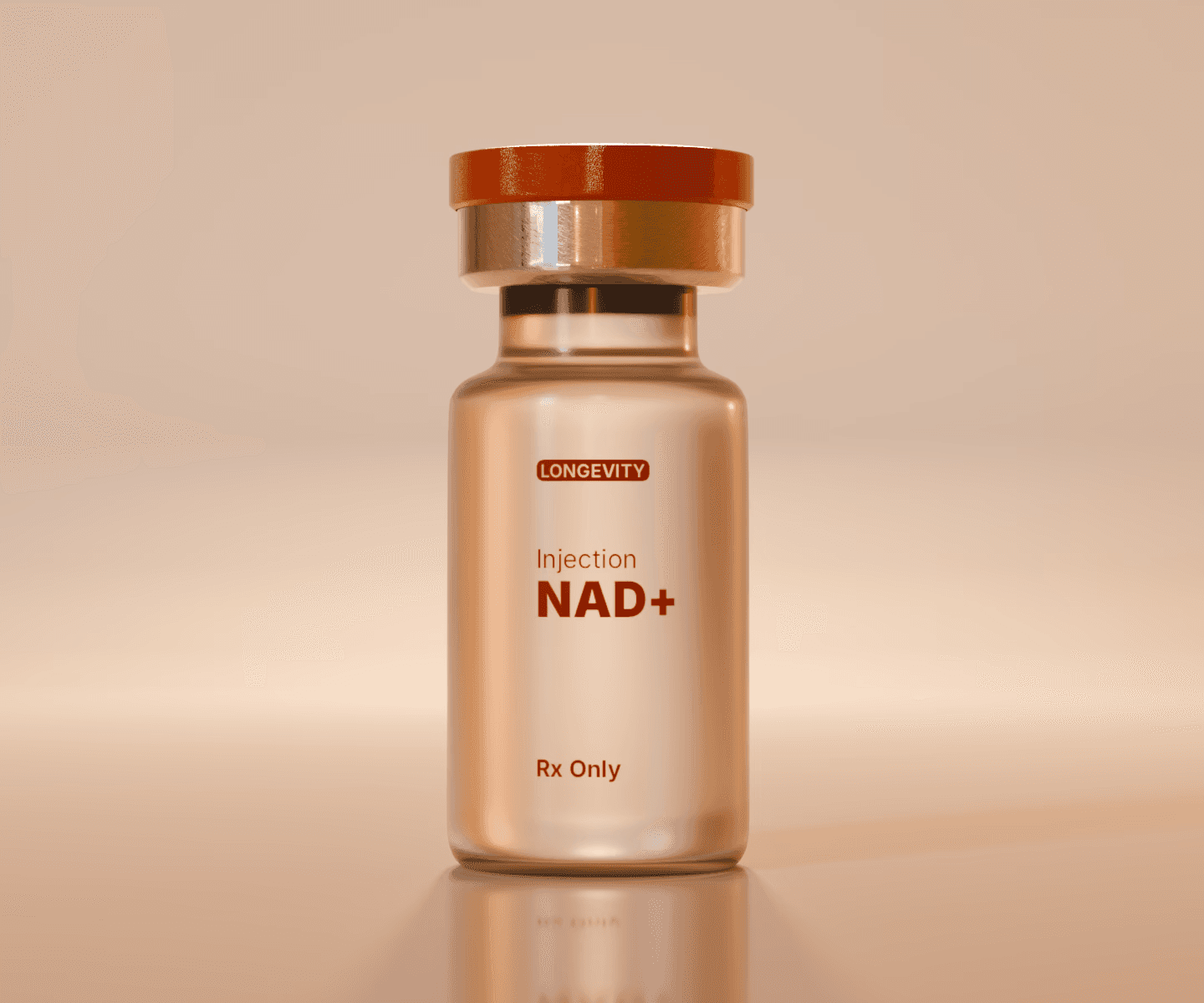
The highest bioavailability of the at-home options. Levels peak roughly 30 minutes to 2 hours after the shot. Best for women who want the strongest, most reliable dose and are comfortable with a small self-injection.
Nasal spray
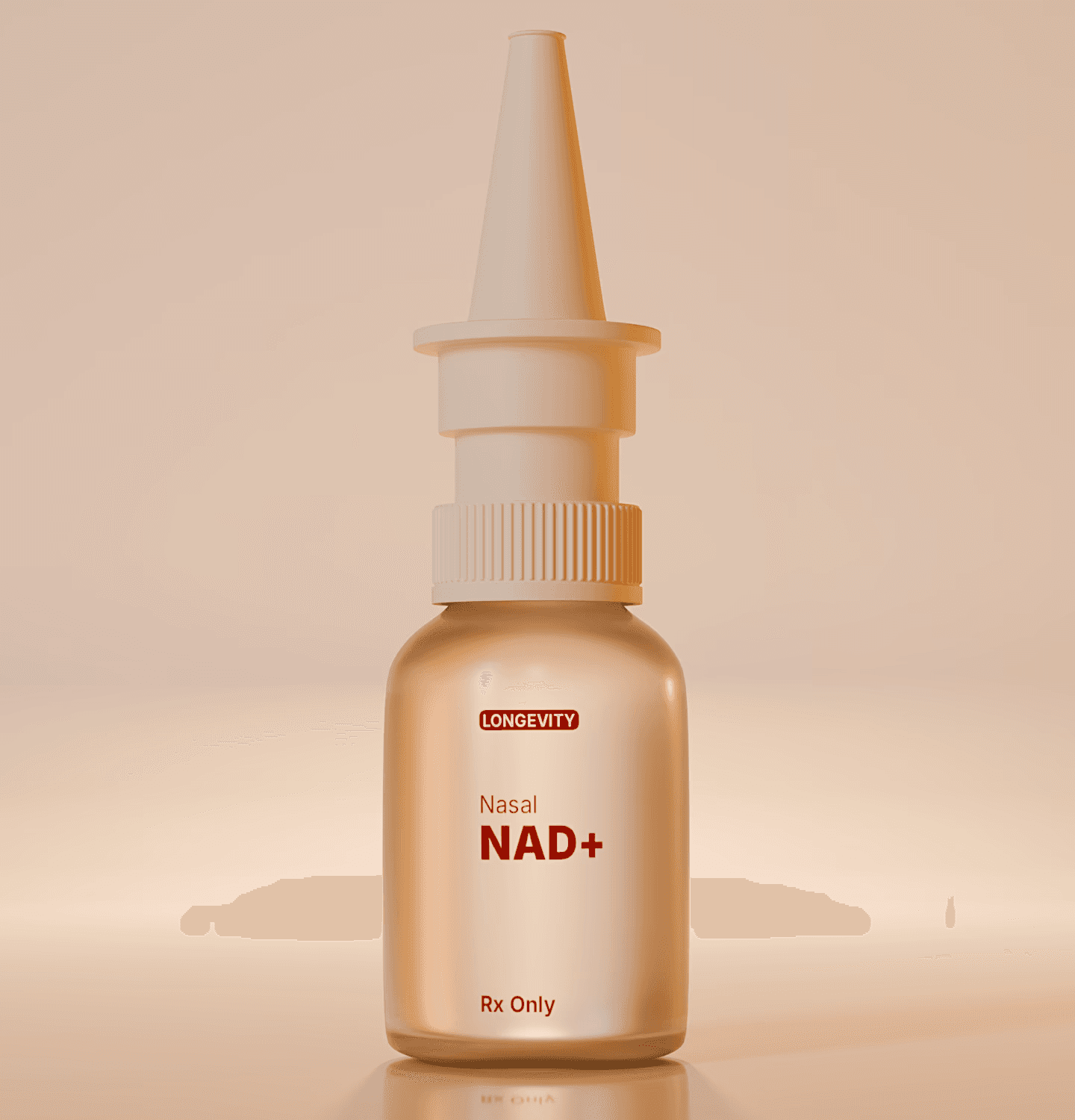
Roughly 15 to 25 percent bioavailability. It absorbs through nasal tissue and bypasses digestion, peaking around 4 to 6 hours with effects lasting up to about 12 hours. Best for women who want a needle-free option with better uptake than a pill.
Oral (liquid dropper)
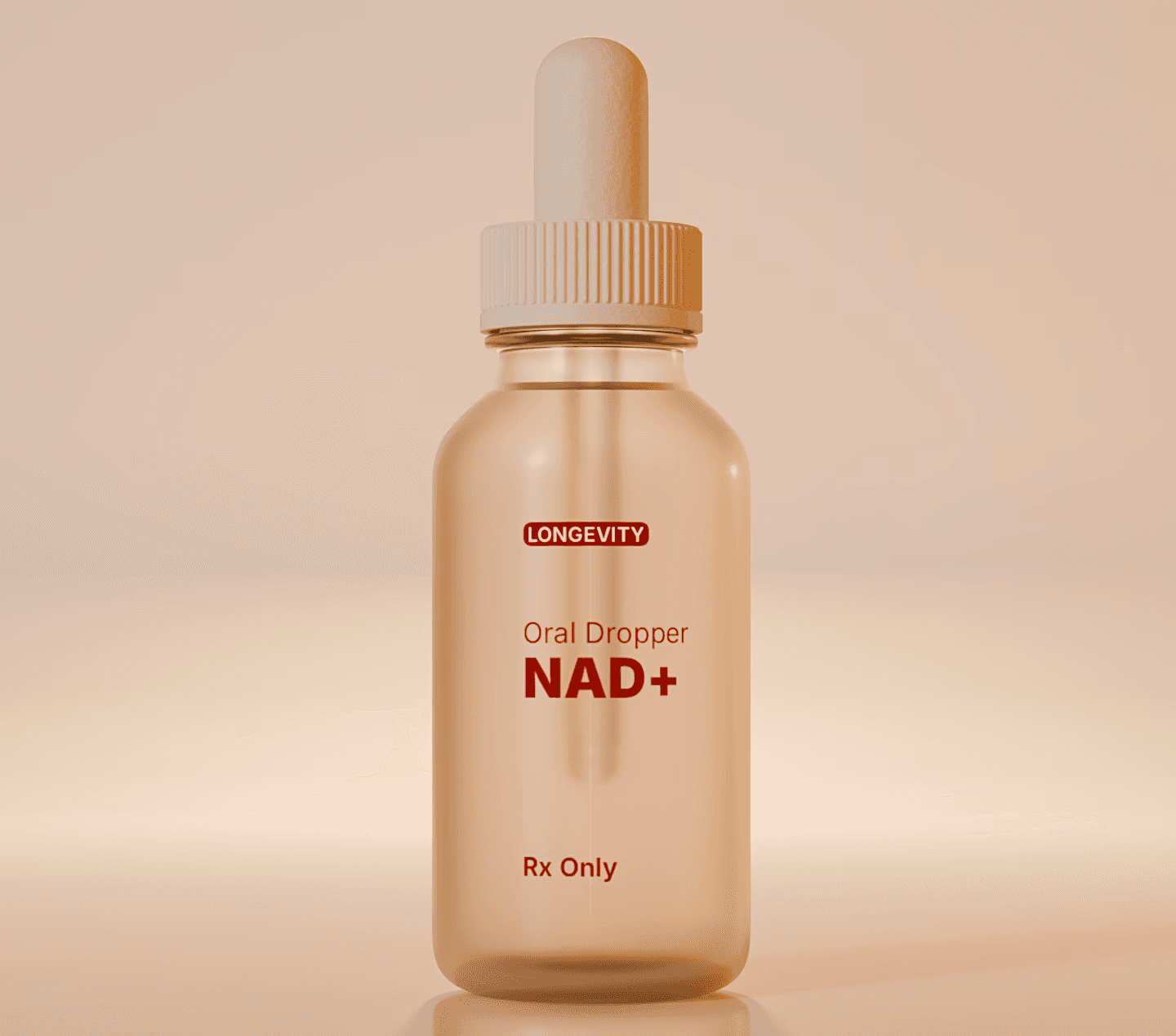
Roughly 2 to 10 percent bioavailability, the lowest of the three, but the easiest and most familiar. Best for women who prioritize convenience and a gentle entry point.
There is no universally best form. The right one depends on how your body responds, how hands-on you want to be, and what you will actually stay consistent with. Consistency beats intensity here, because this is foundation work.
Is NAD+ safe for women?
NAD+ and its precursors are generally well tolerated in studies, with side effects that tend to be mild and temporary, such as flushing, mild nausea, or bloating. Your history, medications, and goals matter, and that's why at SeshDx you'll always be guided by a licensed clinician.
This is not a supplement you should reverse-engineer from a podcast. It is a clinical decision, and it deserves a clinical conversation.
How NAD+ fits into a real plan (not a quick fix)
Here is the part that separates NAD+ that works from NAD+ that disappoints. The molecule restores the fuel. Your habits decide what you do with it.
NAD+ does its best work alongside the basics that protect mitochondria in the first place: real sleep, enough protein, strength training to defend lean muscle, and managing the chronic stress that quietly burns NAD+ through inflammation. If you are running on four hours of sleep and skipping protein, no injection will outrun that.
That's why with every prescription through SeshDx we give you complimentary training and nutrition through our 5-star app.
If you are unsure where to start, begin by understanding what's going on with your body by ordering diagnostic labs, then build from there.
Frequently asked questions
At what age should women consider NAD+?
There is no fixed age. Many women first notice the energy and recovery changes tied to declining NAD+ in their late 30s and 40s, often alongside early perimenopausal shifts. A better trigger than age is symptoms plus testing: if fatigue, brain fog, and slow recovery are persistent, it is worth understanding your levels and the full picture.
Is NAD+ a stimulant? Will I feel it right away?
No. NAD+ is not a stimulant and will not feel like caffeine. Most women who respond describe a gradual return of steadier energy and clearer thinking over several weeks of consistent use, not an immediate jolt.
What is the difference between NAD+ and NMN or NR?
NMN and NR are precursors, raw materials your body converts into NAD+. NAD+ therapy delivers the molecule more directly. Both aim to raise the same end product; they differ in the path they take to get there.
Which NAD+ form is best: injection, nasal spray, or oral?
Injections offer the highest absorption, oral the lowest, and nasal spray sits in between. The best choice is the one you will use consistently and that your clinician recommends for your goals and comfort level.
Does NAD+ help with perimenopause symptoms like brain fog and fatigue?
It may support the energy and cognitive symptoms that overlap with perimenopause, since NAD+ powers the cellular energy your brain and body rely on. It is not hormone therapy and does not replace it. Because these symptoms have several possible causes, testing first helps target the real driver.
How SeshDx approaches NAD+
When you start NAD+ through SeshDx, you get more than a vial. Your care runs through licensed U.S. clinicians, with shipping included from a U.S.-based accredited pharmacy, and the option to choose the delivery form that fits your life. Every telehealth patient also gets free training and nutrition plans through the Sesh Fitness App, made specifically for women like you, because NAD+ works best when it is supporting real strength work and real recovery, not standing in for them.
The goal is not a temporary lift. It is the version of you that lasts: steady energy, a clearer head, and a body that recovers like it used to. You, but optimal.
This article is for educational purposes and is not medical advice. NAD+ therapy is prescription treatment that should be evaluated and guided by a licensed clinician. Individual results vary.