You wake up already behind. You drag until the iced coffee kicks in, hold it together through the afternoon, then somewhere around 9pm you get a strange second wind and suddenly you are wide awake at 11pm scrolling on your phone.
Then you go to your annual physical, get bloodwork, and everything comes back normal.
Normal does not equal optimal. A standard panel is built to catch disease, not to tell you whether your energy system is running on schedule. And the system that sets that schedule, more than almost anything else, is cortisol.

This post walks through what cortisol actually does, the patterns we see most often in women, the one habit to start with tomorrow morning, the five supplements worth considering while you do it, and how to know when it is time to stop guessing and test.
Does this sound like you?
You wake up tired after a full night of sleep, then get a second wind late at night. Your energy crashes in the afternoon and caffeine has stopped really working. You fall asleep fine but wake at 2 or 3am with a racing mind. Weight is settling around your middle even though nothing about your eating changed. You are more reactive than you used to be, and it embarrasses you. Your labs come back "normal," but you know you do not feel like yourself.
If you nodded at three or more, your cortisol rhythm is worth a closer look.

First, cortisol is not the villain
Cortisol has a bad reputation it did not entirely earn. It is not a stress toxin. It is your body's built-in alarm clock, and you need it.
Cortisol is supposed to surge in the first 30 to 45 minutes after you open your eyes. That surge is what lifts you out of sleep, mobilizes blood sugar for fuel, sharpens your focus, and gets you moving. From there it drifts down across the day, so that by evening it has reached its low point and your body is running on the wind-down side of its daily rhythm, when melatonin naturally rises.
That daily shape is the whole point. A healthy curve looks like a wave: high in the morning, descending through the day, quiet at night.
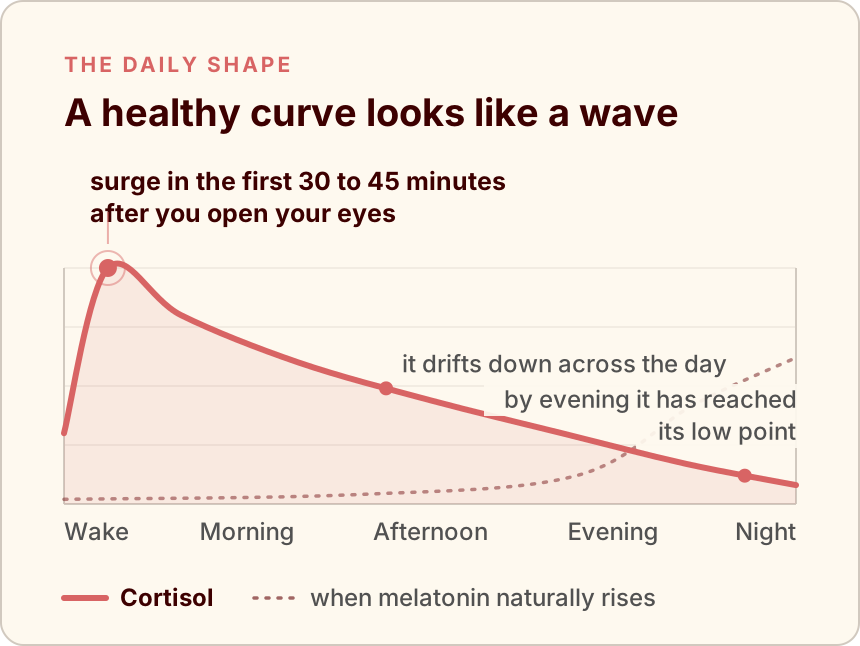
The problem is almost never that you have "too much cortisol." The problem is that the wave has lost its shape. It comes in flat, or late, or it is still high at 10pm when it should be winding down. When the shape is off, everything downstream feels off with it: your energy, your sleep, your mood, your appetite, and how easily your body holds onto weight.
The reframe that matters: your energy is not a character flaw or a fact of getting older. It is information.

The three things that throw the rhythm off
Chronic stress. A nervous system that never gets the all-clear keeps cortisol switched on. Not just deadlines. Also the mental load, the caregiving, the never-quite-finished list.
Blood sugar swings. Skipping breakfast, leading with caffeine, a carb-only lunch. Every crash is a small emergency, and your body answers emergencies with cortisol.
Poor sleep and late screens. Light and scrolling at night keep cortisol from falling the way it should, which weakens the next morning's surge. The loop feeds itself.
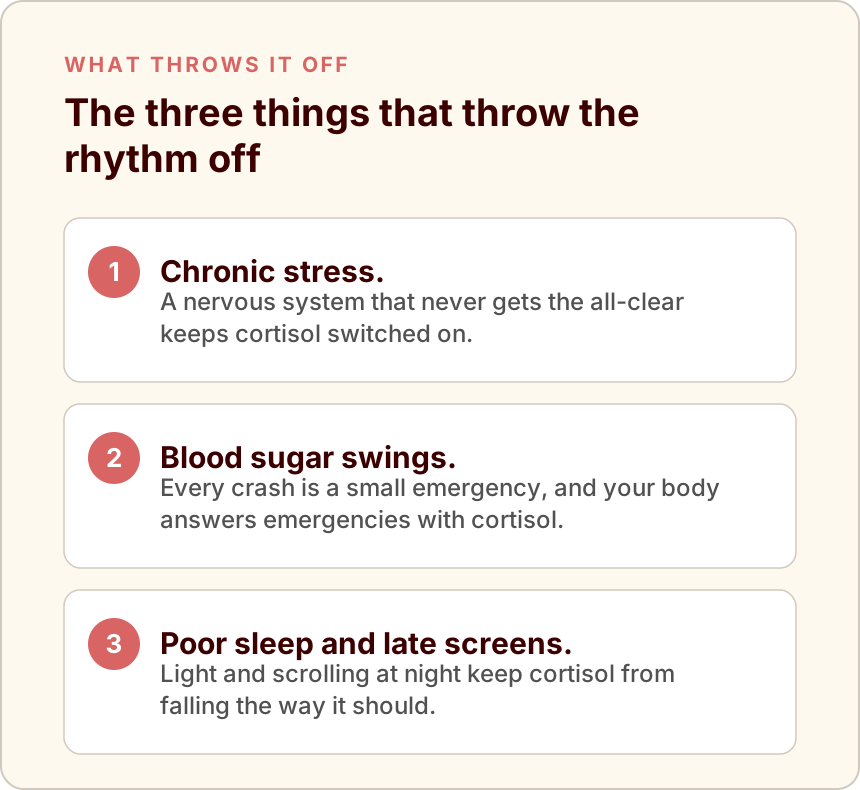
Most women are juggling several of these at once, which is exactly why you can feel off when no single habit looks like the problem. The useful part: each one is also a lever, and you do not have to pull all three at once to feel a shift.
High, low, or just off-schedule?
Two women can walk in with the exact same sentence, "I'm so tired," and have opposite things happening underneath. These are descriptions of how people feel, not diagnoses, and plenty of things besides cortisol produce them. But which pattern you recognize yourself in changes what tends to help, and it is why generic stress advice works for some women and does nothing for others.
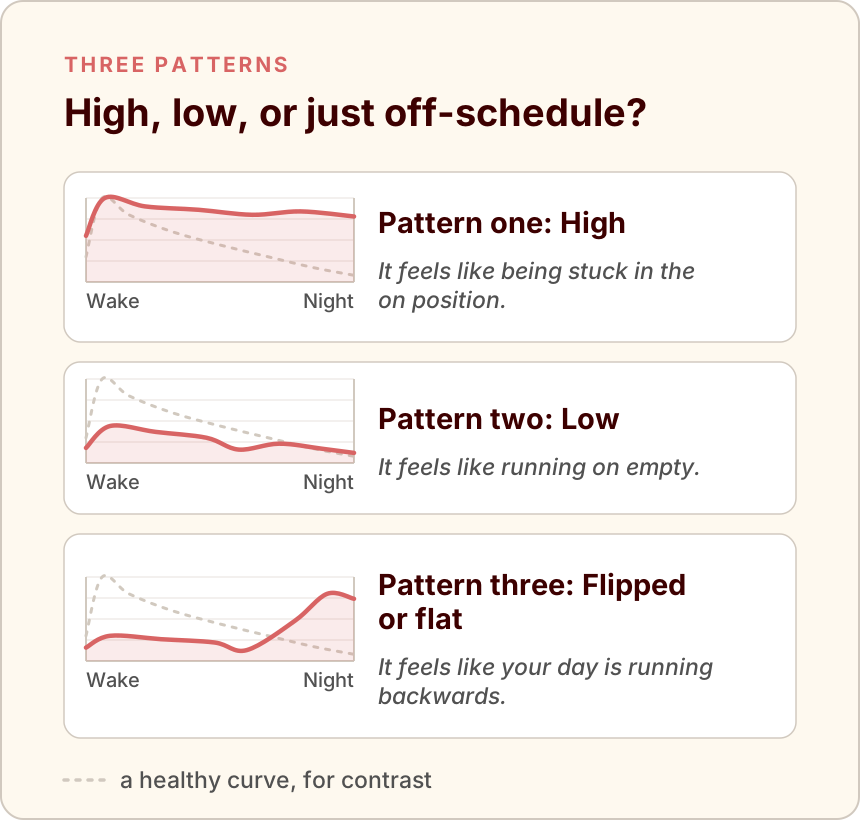
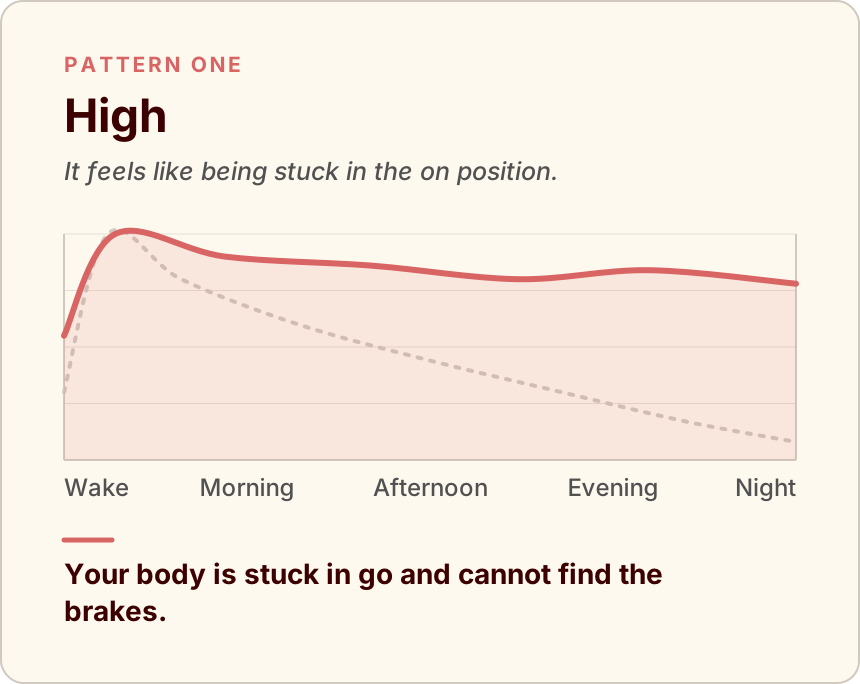
Pattern one: High
It feels like being stuck in the on position.
Anxious or on edge, running hot
Cannot fall asleep even when exhausted
Tension and weight around your midsection
Sugar or salt cravings in the afternoon
Racing mind at night
Your body is stuck in go and cannot find the brakes. The goal here is to bring cortisol down and teach your nervous system that it is safe to stand down.
Pattern two: Low
It feels like running on empty.
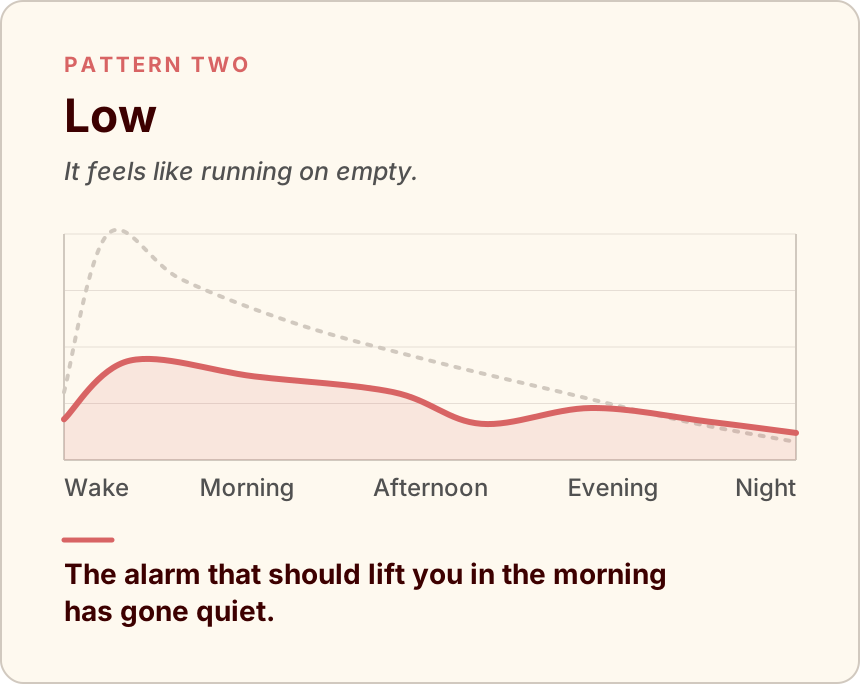
Wake unrefreshed no matter how long you slept
Drag through the day, crash hard in the afternoon
Lean on caffeine to function
Flat, unmotivated, low drive
Little appetite in the morning, then hungry late at night
The alarm that should lift you in the morning has gone quiet. The goal here is to rebuild, not to sedate.
Pattern three: Flipped or flat
It feels like your day is running backwards.
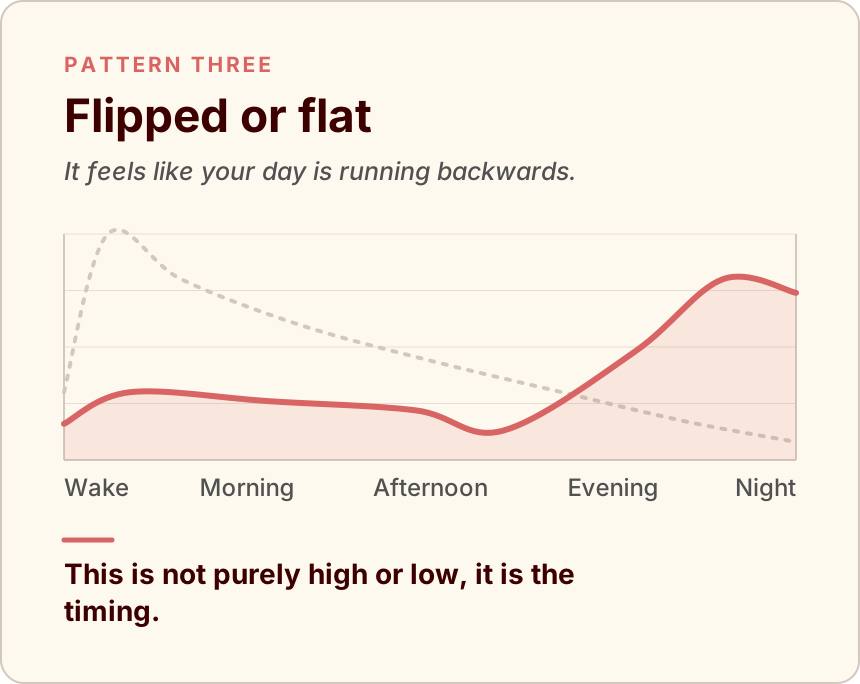
Exhausted at 8am, wide awake at 11pm
Second wind right when you should be winding down
Energy that never really peaks or crashes, just a flat grey line
A 3pm wall, every single day
This is not purely high or low, it is the timing. It is one of the most common patterns we see, and it is exactly why the same word, "fatigue," can need completely opposite support from one woman to the next.
When this is not a wellness pattern. Persistent salt cravings, dizziness when you stand up, unexplained weight loss, or darkening patches of skin are not something to manage with habits and supplements. Those can point to a genuine adrenal condition that needs medical treatment. Please call your doctor rather than starting a protocol.
Let's clear something up. "Adrenal fatigue" is useful shorthand, but it is not quite what is happening. Your adrenals are rarely worn out. What is usually happening is that the communication between your brain and your adrenals, called the HPA axis, has become dysregulated, so the timing and the amount of cortisol drift away from a healthy rhythm.
That distinction matters more than it sounds. Something worn out is broken. Something dysregulated is measurable, and it can be retrained.
Where to start tomorrow morning
The full reset is six habits placed at specific times of day, because with cortisol, when matters as much as what. The whole protocol lives in the guide, with a printable tracker, and it is free.
If you only do one thing this week, do this one. It moves the curve more than any other single habit, and it costs you about ten minutes.
The first hour: light, then protein, then coffee
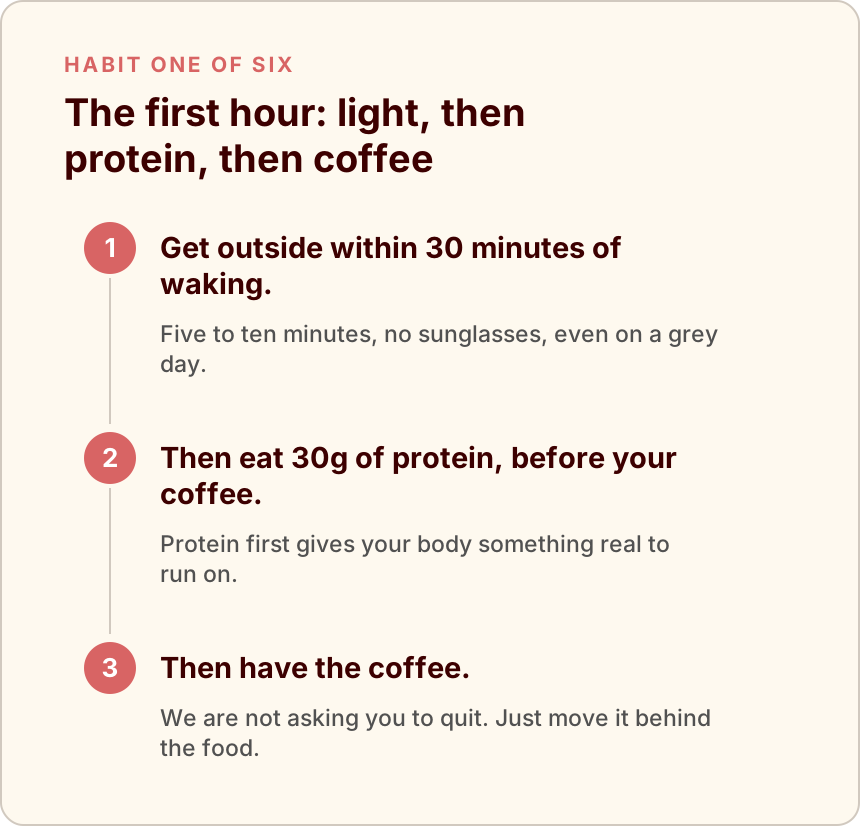
Get outside within 30 minutes of waking. Five to ten minutes, no sunglasses, even on a grey day. Outdoor light on an overcast morning is still many times brighter than your kitchen.
Here is why this one habit does so much. Morning light is the main input your circadian clock uses to set itself, and that same clock is what times your cortisol rhythm and your melatonin release. Anchor the clock in the morning and you are working on your 11pm second wind, not just your 7am grogginess.
Then eat 30g of protein, before your coffee. Caffeine itself nudges cortisol up, and having it first on a morning when you are already running on empty stacks a stimulant on a system that has nothing to work with. Regular coffee drinkers respond less strongly than occasional ones, but it still tends to show up as a jittery start instead of a steady one. Protein first gives your body something real to run on.
Then have the coffee. We are not asking you to quit. Just move it behind the food.
Three ways this goes sideways
Getting the light through a window. Glass filters out most of what matters, so step outside, even for three minutes. Counting a bar as 30g when it is 10g. Check the label once and you never have to think about it again. Waiting for a perfect morning. A rushed five minutes on the porch with your coffee in hand still counts.
Give it seven days before you decide whether it is working. Most women notice the difference in their evenings before they notice it in their mornings.
One note on training while you reset: the goal is to move in a way that tells your body it is safe, not to grind yourself into the ground. Gentle strength, walking, and mobility support a healthy curve. Punishing high-intensity sessions on an already-taxed system push it the wrong way. With cortisol, less really is more.

That is habit one of six
The other five, the timing that makes them work together, and the printable tracker are in Cortisol for Beginners. It is free, and here is what is inside:
The full 7-day reset, all six habits with the timing that makes them work
A printable tracker so you can see the whole week at a glance
Seven evening journal prompts, two minutes each
Where to start based on which of the patterns you recognize
Your supplement starting point, matched to that pattern
The five supplements worth considering
Food, light, movement, and sleep do the heavy lifting. Supplements are support, not a shortcut, and they work best when they are matched to the pattern you actually recognize rather than thrown at a symptom. None of them is a treatment for a medical condition, and the evidence behind each one is stronger in some cases than others. We have said so below rather than flattening it all into confidence.
Everything here is what we keep stocked in our SeshDx dispensary, chosen for third-party tested quality rather than the loudest label.
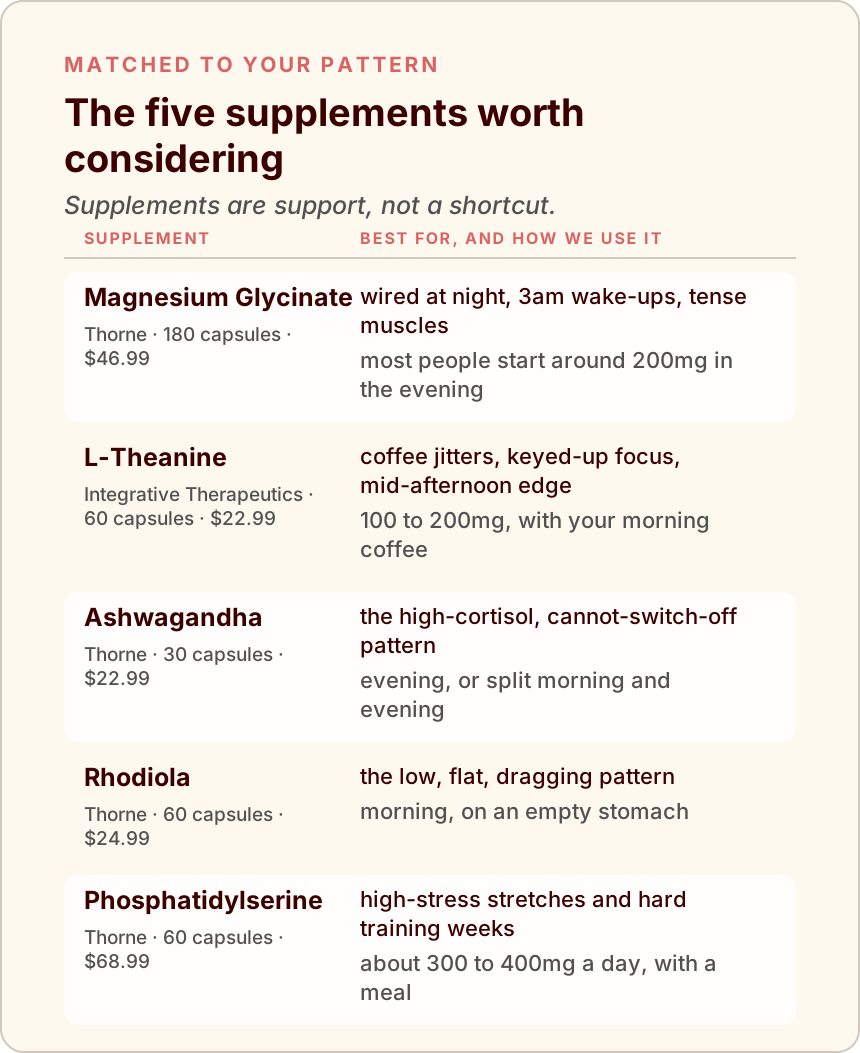
Magnesium Glycinate
Thorne · 180 capsules · $46.99
Best for: wired at night, 3am wake-ups, tense muscles
Magnesium glycinate is magnesium bound to glycine, an amino acid that has been studied on its own for sleep quality. Compared with the magnesium oxide in most drugstore bottles, which is poorly absorbed and one of the forms most likely to cause loose stools, glycinate tends to be easier on digestion.
How we use it: most people start around 200mg in the evening. The upper limit set for supplemental magnesium in adults is 350mg a day, so it is worth staying under that unless your clinician has told you otherwise.
L-Theanine
Integrative Therapeutics · 60 capsules · $22.99
Best for: coffee jitters, keyed-up focus, mid-afternoon edge
An amino acid found naturally in green tea. In small trials, mostly in healthy adults, it increases alpha brain wave activity, the pattern associated with calm alertness, without the sedation of a sleep aid. This is the one to reach for when you need to take the sharp edge off without getting sleepy.
How we use it: 100 to 200mg. Pair it with your morning coffee to blunt the jitter, or take it in the afternoon when the tension climbs.
Ashwagandha
Thorne · 30 capsules · $22.99
Best for: the high-cortisol, cannot-switch-off pattern
The most studied adaptogen for stress. Controlled trials in chronically stressed adults have fairly consistently shown lower serum cortisol, though results on how stressed people actually report feeling have been more mixed, and most of these trials have been small and short. It is a downregulator, which is why it fits the high pattern and can feel flattening if you are already running low.
How we use it: evening, or split morning and evening. There have been case reports of liver problems with ashwagandha, so stop and check in with your clinician if you notice nausea, unusual fatigue, or yellowing of the skin or eyes. Skip it if you are pregnant or trying to become pregnant, and talk to your doctor first if you have a thyroid condition or take medication for blood sugar, blood pressure, sleep, or immune suppression.
Rhodiola
Thorne · 60 capsules · $24.99
Best for: the low, flat, dragging pattern
The adaptogen for the opposite problem. Where ashwagandha brings things down, rhodiola has been looked at for mental stamina and fatigue. The trials so far have been small and the results genuinely mixed, so treat it as worth a try rather than a sure thing. If your mornings are the hardest part of the day, it is usually the more appropriate of the two.
How we use it: morning, on an empty stomach. It can be activating enough to interfere with sleep if you take it later in the day.
Phosphatidylserine
Thorne · 60 capsules · $68.99
Best for: high-stress stretches and hard training weeks
A phospholipid that sits in every one of your cell membranes and is concentrated in the brain. It has been studied for softening the cortisol spike that follows hard exercise and acute stress, though the clearest results came from older, small studies using a form derived from animal sources rather than the soy or sunflower version sold today. It is the most specific option on this list and also the one with the most caveats.
How we use it: doses in the research have run about 300 to 400mg a day, usually taken with a meal that contains some fat.
May we suggest: start with magnesium glycinate and one adaptogen matched to the pattern you recognize, not all five at once. Give it two weeks before you judge it.
Shop the stress and cortisol collection
When to stop guessing and start testing
Here is the tricky part about everything you just read. These patterns overlap, and they shift over time. Fatigue, poor sleep, and stubborn weight show up in every version. Which means a symptom list, including ours, can point you in a direction but cannot tell you where you actually are.
The DUTCH test uses dried urine samples you collect at home, four or five of them at set times over 24 hours, to show the shape of your cortisol pattern from morning through night. It measures free cortisol along with its metabolites, which says something about how much your body is producing overall and not just what is circulating at one moment.
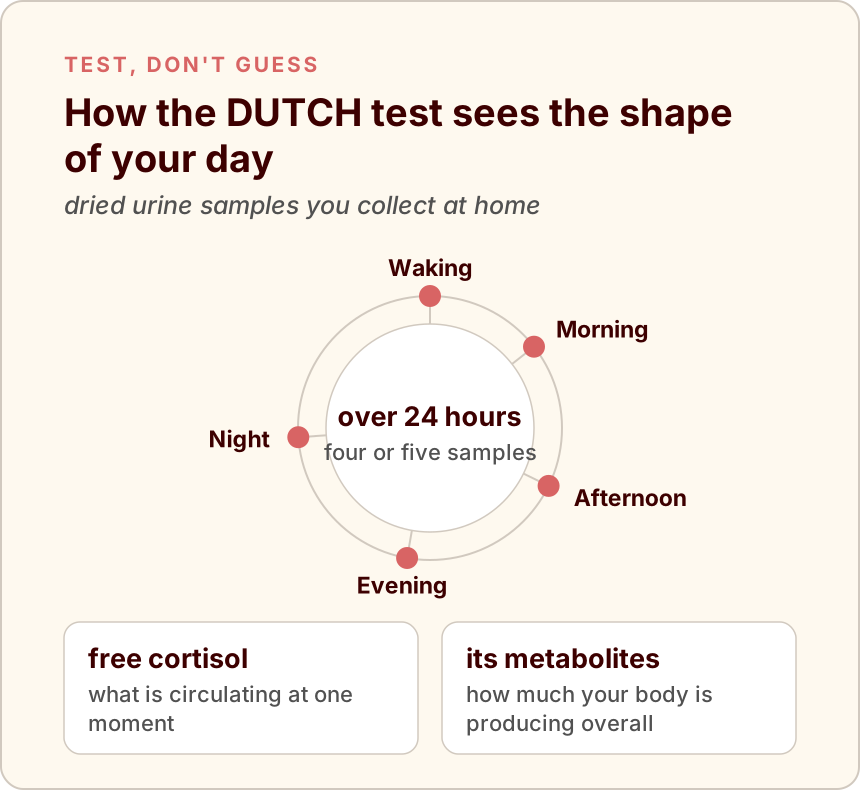
Test, don't guess.
If the tired-but-wired pattern is still there after your reset, that is your cue to test, not to try harder. Bring what you find to us and to your own clinician, and build the next step around the result instead of the guess.
Questions we get a lot
How long does it take to feel a difference?
Changes to light, food timing, and sleep tend to show up in how you feel within a few weeks. The full daily rhythm usually shifts more slowly than that, and how long it takes varies a lot from person to person, so give it a season rather than a deadline.
Can I just get my cortisol tested at my regular doctor?
You can get a single-point serum cortisol, and it has real uses. What it captures is one moment near the top of the curve. It can look perfectly normal even when the shape of your day, particularly the evening, is where the pattern shows up. That is why timing matters as much as the number, and why it is worth bringing any at-home results to your own clinician rather than reading them alone.
Should I quit caffeine entirely?
No. Move it, do not remove it. Eat protein first, then have your coffee, and set a cutoff in the late morning. Caffeine sticks around longer than most people expect, and it lingers even longer if you are on hormonal birth control or certain other medications. That alone changes more than most people expect.
Is high cortisol why I cannot lose weight?
It is often part of it. Sustained elevated cortisol nudges blood sugar up, encourages fat storage around the midsection, and drives cravings, all while poor sleep makes appetite regulation harder. It is rarely the only factor, which is why we look at cortisol alongside thyroid, sex hormones, and metabolic markers rather than in isolation.
Are these supplements safe with my medication?
Individual adaptogens have their own interaction profiles, so the category label is not a safety guarantee. Ashwagandha in particular may interact with medication for thyroid, blood sugar, blood pressure, sleep, and immune suppression. If you take a prescription medication of any kind, clear it with your prescriber before starting, and tell us what you are taking so we can build around it.
What if I do the full reset and nothing changes?
That is useful information, and it is the clearest signal to test. Habits that should move a healthy system and do not usually mean something measurable is in the way.
Ready for the other five habits?
You have got habit one. The guide has the other five, the day-by-day structure that makes them work together, the printable tracker, and the evening journal prompts. It is free, and it takes about fifteen minutes to read.
Reset. Measure. Feel like yourself again.
Reviewed by Shae Davis, FDN-P, CPT, CNC. Founder of SeshDx. Shae works with women who have done everything "right," the bloodwork, the supplements, the clean eating, the workouts, and still feel wired, exhausted, and not quite like themselves.
Medical disclaimer: This article is for educational purposes and is not medical advice, diagnosis, or treatment. Supplements are not evaluated by the FDA to treat or cure any condition, and individual responses vary. Talk with your licensed healthcare provider before starting any supplement, especially if you are pregnant, nursing, managing a thyroid or autoimmune condition, or taking prescription medication. If your symptoms are severe or sudden, please see a clinician rather than starting a self-directed protocol.