Microdosing GLP-1 means using a smaller-than-standard dose to capture the metabolic and longevity benefits of these medications without driving rapid, dramatic weight loss.
It is not about getting as thin as possible as fast as possible. It is about gently improving how your metabolism runs, with fewer side effects.
Why women microdose instead of going full dose
Standard GLP-1 dosing is built around maximum weight loss. Not every woman wants that, or needs it. Many feel best in a lower range where appetite is calmer, energy is steady, and side effects are minimal.
Beyond appetite, low-dose GLP-1 activation is being studied for effects on inflammation, blood sugar stability, and mitochondrial and cardiovascular health, which is why it is increasingly framed as a metabolic and longevity tool, not only a weight tool.
That means microdosing can fit a woman who wants metabolic support, steadier energy, and a gentler experience, more than she wants a number on the scale.
An honest note on the evidence
We will be straight with you. Microdosing is off-label and not part of any approved guideline. The large trials that prove GLP-1 benefits used standard doses, so the specific effects of microdosing have not been studied as rigorously.
Said simply: the mechanism is real and promising, but microdosing is an individualized, clinician-guided strategy, not a proven protocol. Anyone selling it as a guaranteed longevity hack is overstating the evidence.
Semaglutide microdose vs tirzepatide microdose
Both can be microdosed. The difference mirrors the full-dose versions.
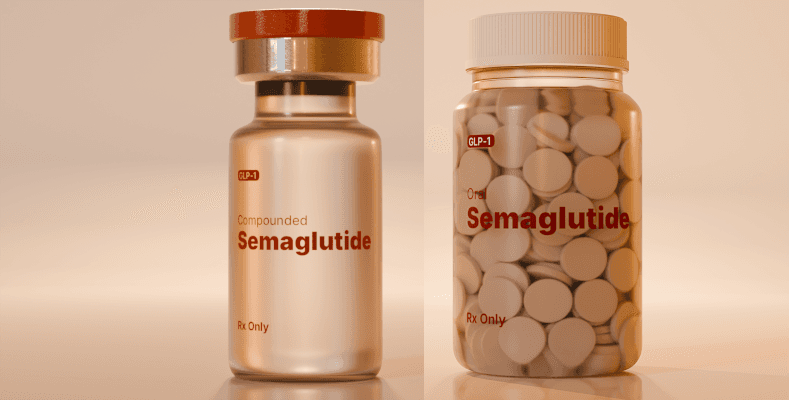
Semaglutide microdose works through a single pathway (GLP-1). It is well understood, widely used, and a sensible starting point for many women.
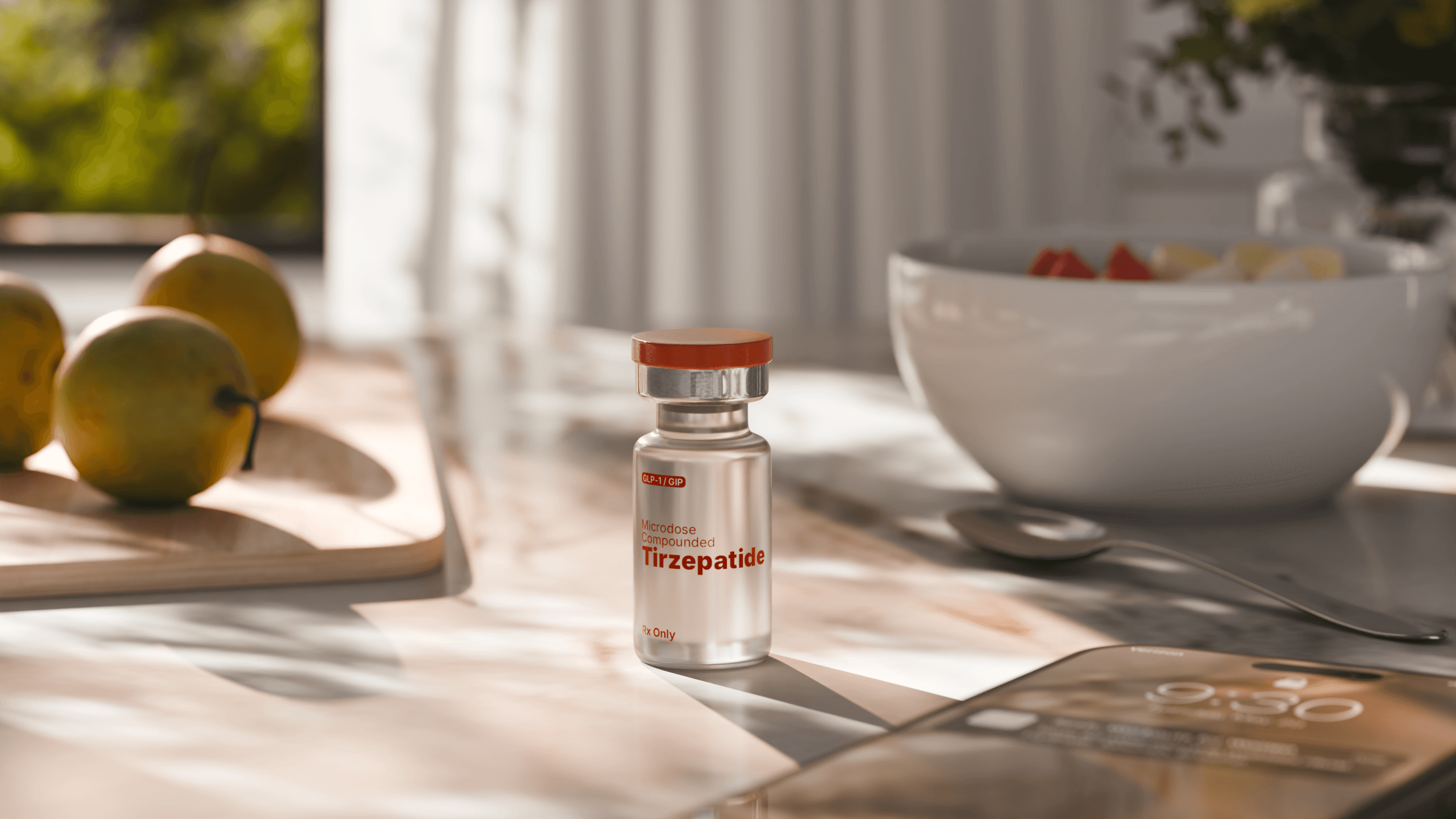
Tirzepatide microdose works through two pathways (GLP-1 and GIP). That dual action may offer broader metabolic effects at low doses, and some women find appetite and energy effects smoother on it.
There is no universal winner. The right choice depends on your goals, how you respond, and what your clinician recommends after reviewing your labs.
Who is microdosing a good fit for?
It tends to suit women who want metabolic and longevity benefits more than rapid weight loss, who are sensitive to side effects at standard doses, who are closer to their goal and want a gentle tool, or who are thinking about long-term healthspan rather than a quick result.
It is still a prescription medication. It still requires a baseline, a clinician, and a plan.
How SeshDx approaches microdosing
A licensed U.S. clinician sets and adjusts your protocol, and every prescription includes free training and nutrition through our 5-star Sesh Fitness App. Because even at a microdose, muscle and habits are what make the results last.
Frequently asked questions
Will I lose weight microdosing a GLP-1?
You may lose some, but that is not the main goal of microdosing. Many women see steadier appetite and energy and modest changes rather than rapid loss. If significant weight loss is your priority, a standard dose may suit you better.
Is microdosing GLP-1 safe?
Lower doses generally mean fewer side effects, and the medications are well studied at standard doses. That said, microdosing is off-label and should always be guided by a licensed clinician who reviews your history and labs.
Is microdosing proven to extend lifespan?
No. The longevity rationale is mechanistically promising but not proven in large trials of microdosing specifically. We are honest about that, and we treat it as supportive, not magic.
This content is educational and is not medical advice. GLP-1 medications require a prescription from a licensed clinician. Microdosing is an off-label use. Individual results vary.